

Bioenergy Check Using Heart Rate Variability (HRV)
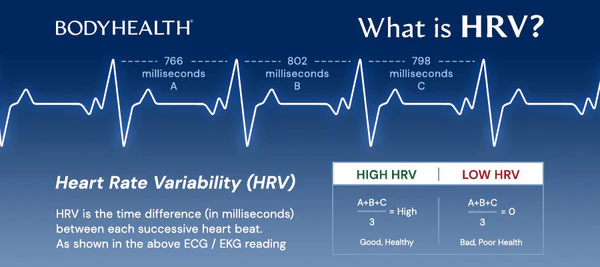
When it comes to understanding your body’s bioenergy and overall health, Heart Rate Variability (HRV) offers insights far beyond a simple heart rate measurement. Unlike a traditional heart check, which counts how many times your heart beats per minute, HRV examines the variation in time between consecutive heartbeats. This subtle yet powerful metric reflects the balance and adaptability of your autonomic nervous system, providing a window into your physical, emotional, and mental well-being.
Understanding HRV vs. Heart Rate
While heart rate gives a snapshot of cardiovascular activity, it doesn’t reveal how your body handles stress or recovers. HRV measures the fluctuations between heartbeats, which are influenced by two branches of the autonomic nervous system:
- Sympathetic (Fight or Flight): Activates during stress or physical exertion.
- Parasympathetic (Rest and Digest): Promotes relaxation, digestion, and recovery.
A higher HRV indicates a healthy balance between these systems, suggesting your body can adapt efficiently to stressors and recover quickly. Conversely, a lower HRV may signal stress, fatigue, or reduced resilience.
Why HRV Matters
Monitoring HRV can transform the way you understand and manage your health. Here’s why it’s crucial:
1. Stress Management
HRV acts as a real-time stress indicator. Tracking HRV trends helps identify stress triggers, enabling individuals to adopt coping strategies such as mindfulness, meditation, or breathing exercises to restore balance.
2. Enhanced Recovery
Athletes, fitness enthusiasts, and busy professionals can benefit from HRV insights. Elevated HRV may indicate readiness for high-intensity workouts, while lower readings suggest the body needs rest or active recovery. This prevents overtraining and promotes sustainable performance.
3. Emotional Health Indicator
Your HRV reflects emotional resilience. A higher HRV correlates with calmness, focus, and emotional stability, whereas lower HRV may indicate anxiety, irritability, or mental fatigue. By tracking HRV, you can better understand your emotional patterns and take proactive steps to maintain mental well-being.
4. Personalized Health Insights
Regular HRV monitoring provides individualized health feedback. Variations in HRV can inform lifestyle adjustments, such as optimizing sleep, nutrition, or exercise routines, leading to a more balanced and healthy life.
5. Preventive Health Monitoring
HRV serves as an early warning system for potential health concerns. Consistent low HRV readings may indicate underlying issues, allowing for early intervention and preventive measures before serious conditions develop.
Incorporating HRV Into Daily Life
Integrating HRV monitoring into your wellness routine is simple yet impactful. Wearable devices and health apps now allow real-time HRV tracking, making it easier to visualize trends and respond effectively. Pairing HRV insights with mindful practices, proper nutrition, and sufficient rest can enhance bioenergy, vitality, and overall well-being.
Conclusion
Heart Rate Variability is far more than a heart metric—it’s a window into your body’s ability to adapt, recover, and maintain balance. By understanding and monitoring HRV, individuals can decode their body’s bioenergy, manage stress effectively, optimize recovery, and improve emotional health. Incorporating HRV into daily routines empowers you to make informed decisions that promote long-term wellness, resilience, and a harmonious mind-body connection. Heart Rate Variability (HRV) is a powerful metric for assessing the body’s autonomic nervous system and overall bioenergy, going far beyond a traditional heart rate measurement. While heart rate simply counts the beats per minute, HRV measures the variation in time between consecutive heartbeats, revealing how effectively the body adapts to stress, recovers, and maintains balance. A higher HRV indicates a strong parasympathetic response and better resilience, while a lower HRV can signal stress, fatigue, or emotional instability.
Monitoring HRV provides valuable insights across multiple aspects of health. It helps with stress management by identifying triggers and guiding relaxation practices such as meditation and mindful breathing. For athletes and fitness enthusiasts, HRV serves as a tool for enhanced recovery, indicating readiness for intense training or the need for rest. HRV also acts as an emotional health indicator, reflecting calmness, focus, and resilience versus anxiety and mental fatigue.
By tracking HRV, individuals can gain personalized health insights, adjusting sleep, nutrition, and exercise to improve overall well-being. Additionally, HRV can function as a preventive health monitoring tool, offering early warnings about potential health concerns before they become serious.
In essence, Heart Rate Variability is more than a number—it is a window into your body’s bioenergy, empowering you to decode physical, mental, and emotional signals, optimize recovery, reduce stress, and maintain long-term health and vitality.
jeevalaya #nakshatras #jeevalaya bangalore #jeevalaya retreat centre #jeevalaya whitefield #mental wellness #property healing #Ayurveda #Counseling #Medical astrology
External link – https://en.wikipedia.org/wiki/Ayurveda
Internal link – https://jeevalaya.co.in/ayurvedic-self-care-rituals-for-mental-well-being/