

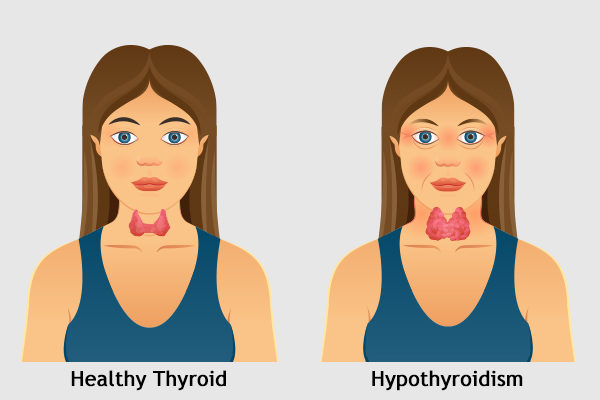
Hypothyroidism: A Growing Metabolic Concern
Hypothyroidism is a complex metabolic disorder that affects individuals in multiple ways. The thyroid gland—a small, butterfly-shaped organ located at the front of the neck—plays a vital role in regulating metabolism, energy production, body temperature, and hormonal balance. When this gland fails to produce adequate thyroid hormones, the body’s normal physiological processes slow down, resulting in hypothyroidism.
In India, approximately 11% of the population is affected by hypothyroidism, making it a significant public health concern. Its rising prevalence highlights the urgent need for awareness, early diagnosis, and holistic management approaches that address not just symptoms, but root causes.
Causes of Hypothyroidism
Hypothyroidism can arise from multiple internal and external factors. Some of the most common causes include:
- Congenital hypothyroidism, present from birth
- Iodine deficiency, essential for thyroid hormone synthesis
- Inflammatory thyroid disorders
- Partial or complete surgical removal of the thyroid gland
- Radiation therapy involving the neck region
- Pituitary or hypothalamic dysfunction, affecting hormonal signaling
- Unhealthy dietary habits and sedentary lifestyles
Ayurveda views these contributing factors as disruptions in metabolic intelligence, digestion, and hormonal communication within the body.
Signs and Symptoms of Hypothyroidism
The symptoms of hypothyroidism often develop gradually and may go unnoticed in the early stages. Common signs include:
- Persistent fatigue and low energy levels
- Unexplained weight gain despite unchanged diet
- Depression, low mood, and lack of motivation
- Slowed heart rate
- Elevated cholesterol levels
- Dry, rough skin and darkening at the nape of the neck
- Mental sluggishness, poor focus, and memory impairment
- Hair thinning, dryness, and excessive hair fall
- Muscle stiffness, aches, and tenderness
Gender-specific symptoms may also occur:
- In women: menstrual irregularities, infertility, and hormonal imbalance
- In men: erectile dysfunction and reduced vitality
These symptoms indicate a systemic slowdown that requires comprehensive metabolic correction rather than symptom suppression alone.
Ayurvedic Perspective on Hypothyroidism
At Jeevalaya, hypothyroidism is understood through the lens of Agni (digestive and metabolic fire). Ayurveda teaches that impaired Agni is the root cause of many metabolic and hormonal disorders.
Rather than depending solely on external hormone replacement, the Ayurvedic approach focuses on enabling the body to regenerate and regulate its own thyroid hormones naturally.
Key principles include:
- Strengthening and correcting Agni
- Eliminating metabolic toxins (Ama)
- Restoring balance between digestion, hormones, and the nervous system
Ayurvedic Management of Hypothyroidism
A structured and personalized approach is essential for effective thyroid healing.
1. Agni Correction and Detoxification
Improving digestion and metabolism helps revive hormonal signaling pathways. Detox therapies cleanse internal channels and reduce inflammatory burden.
2. Herbal Support
Classical Ayurvedic herbs such as Kanchanara, along with supportive formulations, are used to stimulate the hypothalamus-thyroid axis and promote balanced hormone production.
3. Diet and Lifestyle Modifications
Daily habits play a crucial role in thyroid health. Recommended practices include:
- Regular exercise, yoga, and pranayama
- Eating fresh, wholesome foods while avoiding fried, processed, and preserved items
- Eliminating refined wheat flour and artificial sweeteners
- Practicing mindful eating with consistent meal timings
- Maintaining proper sleep hygiene
- Effective stress management, as stress directly impacts thyroid function
Conclusion
Hypothyroidism is not merely a hormonal disorder—it is a reflection of deeper metabolic and lifestyle imbalances. Ayurveda offers a time-tested, holistic pathway that focuses on root-cause healing, metabolic correction, and long-term balance.
With individualized care, disciplined lifestyle changes, and expert guidance, it is possible to restore thyroid harmony and improve overall vitality.
Consultation with an experienced Ayurvedic physician, such as Dr. A. P. Shrilata (BAMS, MD, YIC, PGDND), ensures a safe, personalized, and effective journey toward thyroid wellness.
External link – https://en.wikipedia.org/wiki/Ayurveda
Internal link – https://jeevalaya.co.in/ayurvedic-self-care-rituals-for-mental-well-being/