

Many women experience emotional changes before their periods, but not all premenstrual mood disturbances are the same. Two commonly discussed conditions are PMS anxiety and PMDD (premenstrual dysphoric disorder). Understanding the differences between them is crucial for proper management and treatment.
What is PMS Anxiety?
PMS, or premenstrual syndrome, refers to a range of physical and emotional symptoms that occur in the luteal phase of the menstrual cycle, typically 5–10 days before menstruation. PMS anxiety is a specific manifestation, characterized by feelings of nervousness, irritability, and mild emotional sensitivity.
- Symptoms:
- Mild to moderate anxiety or worry
- Mood swings
- Restlessness
- Physical signs like bloating, fatigue, or headaches
- Duration and Severity:
PMS symptoms are usually temporary, resolving with the onset of menstruation. While uncomfortable, they generally do not interfere significantly with daily activities or social functioning. - Causes:
PMS anxiety is primarily linked to hormonal fluctuations, especially falling estrogen and progesterone, which affect neurotransmitters such as serotonin and GABA, leading to mood changes and heightened stress sensitivity.
What is PMDD?
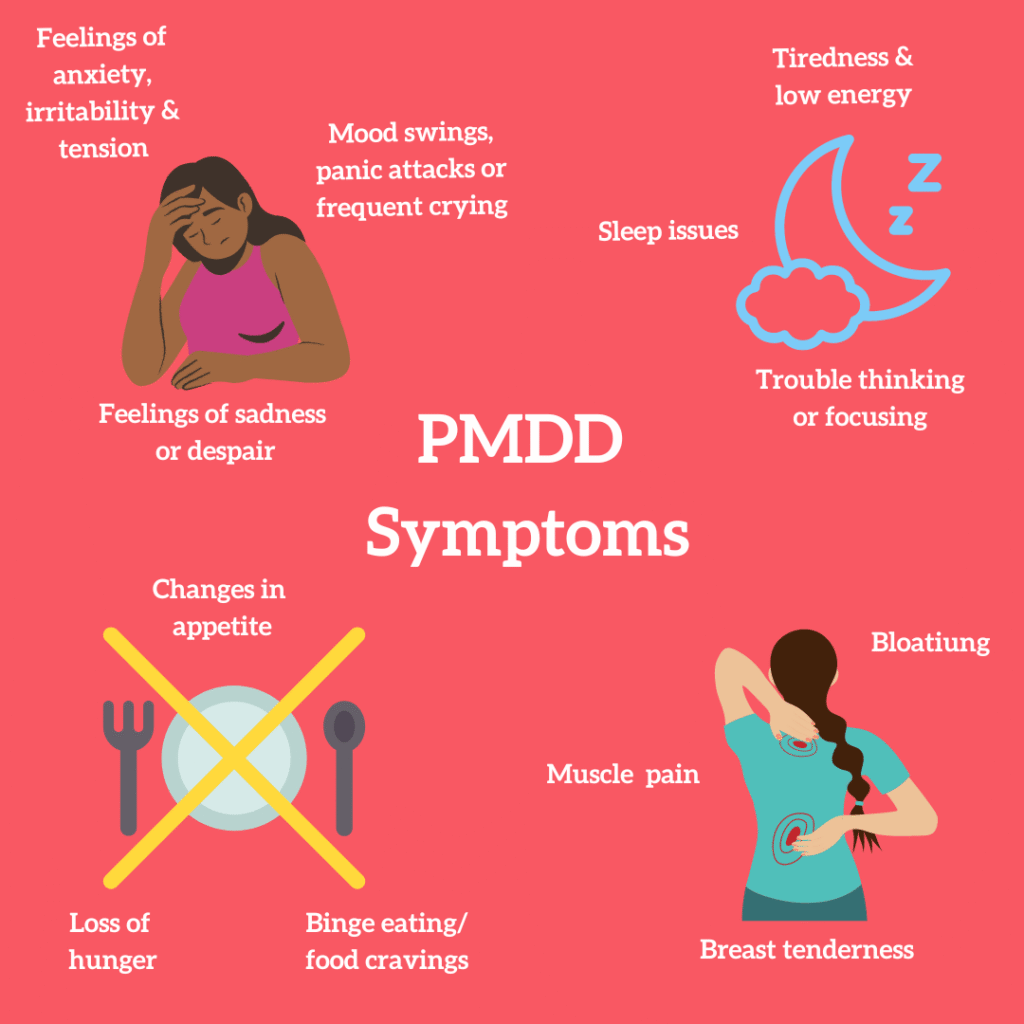
PMDD, or premenstrual dysphoric disorder, is a more severe form of premenstrual emotional disturbance. It affects 3–8% of women of reproductive age and is considered a clinically significant condition because it can seriously impact daily life.
- Symptoms:
- Severe anxiety, panic attacks, or nervous tension
- Intense irritability or anger
- Depression or feelings of hopelessness
- Extreme fatigue, difficulty concentrating, or sleep problems
- Physical symptoms similar to PMS, but often more debilitating
- Duration and Severity:
PMDD symptoms typically occur in the luteal phase but are more intense and disruptive than PMS, often interfering with work, relationships, and daily functioning. Symptoms usually subside once menstruation begins. - Causes:
PMDD is linked to hormonal sensitivity, meaning the brain reacts strongly to normal fluctuations in estrogen and progesterone. Neurotransmitter imbalances, particularly serotonin dysregulation, play a significant role. Genetics and stress levels may also contribute.
Key Differences Between PMS Anxiety and PMDD
| Feature | PMS Anxiety | PMDD |
|---|---|---|
| Severity | Mild to moderate | Severe, often disabling |
| Impact on daily life | Minimal interference | Significant interference |
| Symptoms | Anxiety, irritability, mild mood swings | Intense anxiety, depression, anger, panic attacks |
| Duration | Few days before menstruation | 1–2 weeks before menstruation, resolving after onset |
| Treatment | Lifestyle changes, self-care | Lifestyle changes, therapy, sometimes medication |
Managing PMS Anxiety and PMDD
While PMS anxiety can often be managed with diet, exercise, mindfulness, and sleep hygiene, PMDD may require a more comprehensive approach:
- Lifestyle Adjustments: Regular exercise, balanced nutrition, and mindfulness techniques can reduce both PMS and PMDD symptoms.
- Therapy: Cognitive-behavioral therapy (CBT) is effective for emotional regulation and anxiety management.
- Medical Treatments: In PMDD, doctors may prescribe antidepressants, hormonal therapy, or supplements to regulate neurotransmitters and hormone sensitivity.
- Tracking Symptoms: Keeping a menstrual and mood diary helps distinguish between PMS and PMDD and guides treatment decisions.
Conclusion
While both PMS anxiety and PMDD involve premenstrual mood changes, the severity, impact, and treatment needs differ significantly. PMS anxiety is generally mild and manageable with lifestyle strategies, whereas PMDD is a serious disorder requiring professional intervention. Understanding the difference allows women to seek timely help and take proactive steps to manage their emotional health, ensuring greater wellbeing throughout their menstrual cycle.#jeevalaya #nakshatras #jeevalaya bangalore #jeevalaya retreat centre #jeevalaya whitefield #mental wellness #property healing #Ayurveda #Counseling #Medical astrology
External link – https://en.wikipedia.org/wiki/Ayurveda
Internal link – https://jeevalaya.co.in/ayurvedic-self-care-rituals-for-mental-well-being/