

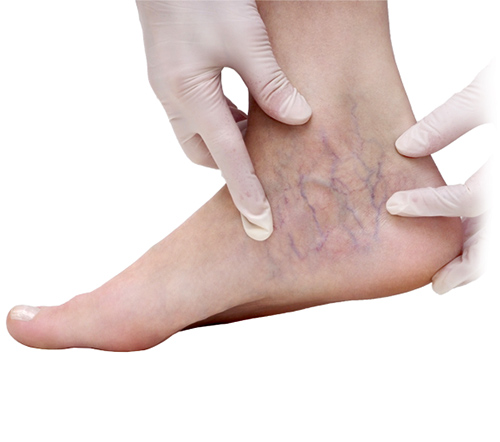
Varicose veins are a widespread vascular condition affecting people of all ages. Characterized by swollen, twisted, and visibly enlarged veins, they most often appear on the legs and feet. While many people consider them a cosmetic issue, varicose veins usually indicate an underlying problem with blood circulation. Understanding why varicose veins occur and recognizing common risk factors can help prevent their progression and reduce long-term complications.
How Do Varicose Veins Form?
Veins carry blood back to the heart, working against gravity—especially in the legs. To assist this process, veins are equipped with one-way valves that prevent blood from flowing backward. Varicose veins develop when these valves weaken or fail. As a result, blood pools in the veins, increasing pressure and causing the veins to stretch, twist, and become visible under the skin.
Over time, poor circulation worsens vein structure, leading to discomfort, swelling, and visible vein changes.
Common Risk Factors for Varicose Veins
Several factors increase the likelihood of developing varicose veins. These risk factors often work together rather than individually.
1. Prolonged Standing or Sitting
Occupations that require long hours of standing or sitting—such as teaching, nursing, office work, or retail—reduce blood flow in the legs. Limited movement prevents veins from efficiently returning blood to the heart, increasing pressure within the veins.
2. Age-Related Changes
As people age, vein walls and valves naturally lose elasticity. This makes it harder for veins to maintain proper blood flow, increasing the risk of varicose veins. Age is one of the most significant and unavoidable risk factors.
3. Genetic Predisposition
Family history plays a major role. If one or both parents have varicose veins, the likelihood of developing them increases significantly. Genetic factors can influence vein wall strength and valve function.
4. Hormonal Influences
Hormonal fluctuations—especially during puberty, pregnancy, and menopause—can relax vein walls and slow blood flow. Estrogen and progesterone affect vein elasticity, making women more susceptible to varicose veins than men.
5. Pregnancy
During pregnancy, blood volume increases to support the growing baby. This added pressure, combined with hormonal changes and reduced circulation in the pelvic area, increases strain on leg veins. Although pregnancy-related varicose veins may improve after childbirth, they can persist in some cases.
6. Excess Body Weight
Being overweight or obese places extra pressure on leg veins. This additional stress makes it harder for veins to push blood upward, contributing to vein valve damage and blood pooling.
7. Lack of Physical Activity
A sedentary lifestyle weakens the calf muscles, which play a vital role in pumping blood upward from the legs. Reduced muscle activity leads to sluggish circulation and increases vein pressure.
Early Signs Linked to Risk Factors
Risk factors often show early warning signs such as:
- Leg heaviness or fatigue
- Mild swelling around ankles
- Itching or skin dryness near veins
- Small spider veins appearing before larger varicose veins
Ignoring these signs may allow the condition to progress.
Why Early Awareness Matters
If untreated, varicose veins can lead to complications such as skin discoloration, chronic swelling, ulcers, or blood clots. Identifying risk factors early allows for lifestyle changes and timely medical evaluation, reducing the chance of severe complications.
Preventive Measures to Reduce Risk
While not all risk factors are avoidable, certain steps can help reduce vein stress:
- Stay physically active and avoid long periods of immobility
- Maintain a healthy body weight
- Elevate legs regularly
- Wear compression stockings if advised
- Take breaks to walk and stretch during long work hours
Conclusion
Varicose veins occur due to a combination of poor circulation, weakened vein valves, and lifestyle or genetic factors. Understanding the common risk factors empowers individuals to take preventive steps early. With proper awareness, healthy habits, and timely care, the progression of varicose veins can be slowed, improving overall vascular health and quality of life.#jeevalaya #nakshatras #jeevalaya bangalore #jeevalaya retreat centre #jeevalaya whitefield #mental wellness #property healing #Ayurveda #Counseling #Medical astrology
External link – https://en.wikipedia.org/wiki/Ayurveda
Internal link – https://jeevalaya.co.in/ayurvedic-self-care-rituals-for-mental-well-being/