

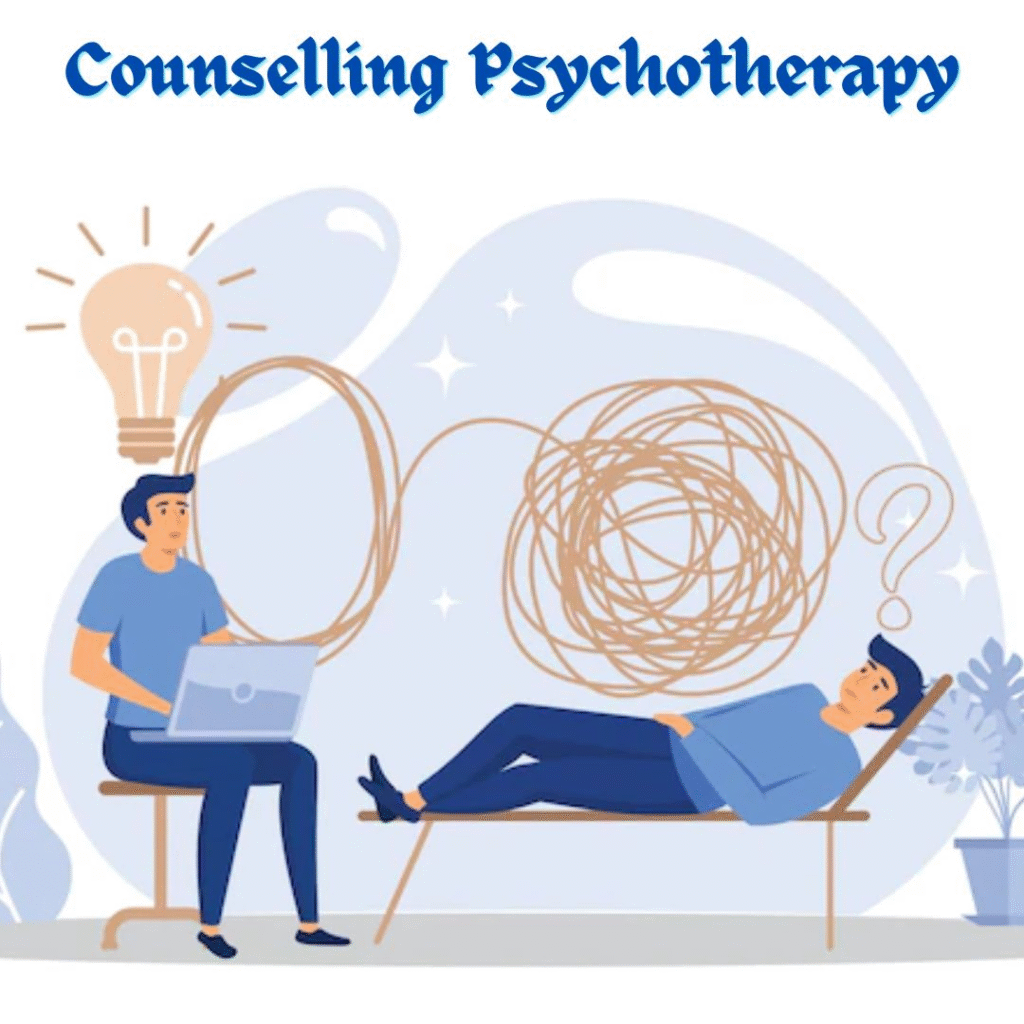
Counselling is an essential tool for mental and emotional well-being, helping individuals manage stress, anxiety, depression, and life challenges. Today, people can choose between online and in-person counselling, each offering unique benefits. Understanding the differences can help you decide which option is more effective for your needs.
What Is Online Counselling?
Online counselling, also called e-counselling or teletherapy, is conducted through digital platforms such as video calls, phone sessions, or chat messaging. It allows clients to access professional mental health support from the comfort of their own homes.
Benefits of Online Counselling:
- Convenience and Accessibility: Ideal for those with busy schedules, mobility issues, or remote locations.
- Comfort and Privacy: Clients can participate from familiar surroundings, which may reduce anxiety about attending sessions.
- Flexibility: Scheduling is often easier, and some platforms allow shorter or more frequent sessions.
- Wide Choice of Therapists: Online platforms connect clients with specialists beyond their geographic area.
What Is In-Person Counselling?
In-person counselling involves face-to-face sessions with a trained therapist in a clinical or office setting. This traditional approach has been used for decades and offers a direct, personal connection between client and counsellor.
Benefits of In-Person Counselling:
- Stronger Therapeutic Connection: Physical presence can help build trust, empathy, and emotional understanding.
- Better Non-Verbal Communication: Therapists can observe body language, tone, and subtle cues for more accurate assessment.
- Structured Environment: The professional setting can enhance focus, privacy, and commitment to therapy.
- Access to Immediate Support: In-person sessions may allow for quicker intervention if emotional crises arise.
Comparing Effectiveness: Online vs In-Person
Both online and in-person counselling are effective for treating stress, anxiety, depression, relationship challenges, and personal growth. However, their effectiveness may vary depending on individual preferences, comfort levels, and circumstances.
| Feature | Online Counselling | In-Person Counselling |
|---|---|---|
| Accessibility | High, available anywhere | Limited by location |
| Convenience | Flexible, saves travel time | Fixed schedule, requires travel |
| Privacy | High, at home | Private office, controlled environment |
| Therapeutic Connection | Moderate, relies on technology | Strong, direct interaction |
| Cost | Often lower or subscription-based | May be higher due to overhead |
| Suitability for Severe Cases | Limited for crises or complex trauma | Ideal for intensive support |
Factors to Consider When Choosing
- Personal Comfort: Some individuals feel more open speaking face-to-face, while others prefer the safety of their home.
- Access and Convenience: Online counselling is ideal for remote areas or busy lifestyles.
- Nature of Issue: Severe trauma, complex mental health conditions, or high-risk situations may benefit more from in-person sessions.
- Technology Comfort: Online counselling requires reliable internet and comfort with digital communication.
- Therapist Availability: Online counselling offers access to a broader range of specialists.
Combining Both Approaches
Some people choose a hybrid approach, using online sessions for convenience and supplementing with in-person visits when needed. This flexibility allows clients to maximize benefits and adapt therapy to their lifestyle.
Conclusion
Both online and in-person counselling are effective for improving mental and emotional well-being. The best choice depends on your personal preferences, the nature of your challenges, and accessibility. Online counselling offers convenience, flexibility, and accessibility, while in-person counselling provides stronger personal connection, non-verbal insight, and structured support. Understanding the advantages of each option helps you select the counselling approach that best supports your mental health journey. Online and in-person counselling are both effective ways to improve mental and emotional well-being. Online counselling offers convenience, flexibility, and access to therapists from anywhere, while in-person counselling provides stronger personal connection, non-verbal cues, and structured support. The best choice depends on personal comfort, the nature of your challenges, and accessibility. Some individuals benefit from a hybrid approach, combining both methods to maximize mental health support.#jeevalaya #nakshatras #jeevalaya bangalore #jeevalaya retreat centre #jeevalaya whitefield #mental wellness #property healing #Ayurveda #Counseling #Medical astrology
External link – https://en.wikipedia.org/wiki/Ayurveda
Internal link – https://jeevalaya.co.in/ayurvedic-self-care-rituals-for-mental-well-being/