

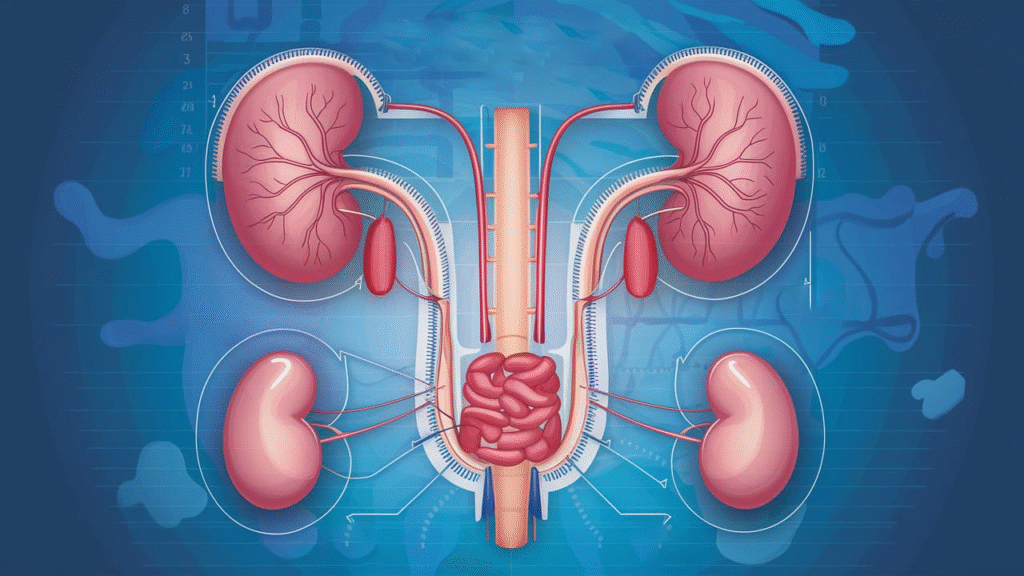
Ayurveda offers a holistic understanding of urological disorders, focusing on the root causes rather than just treating symptoms. According to Ayurvedic principles, urinary health is closely linked to the balance of the three doshas—Vata, Pitta, and Kapha—and any imbalance can disrupt normal urinary function. Understanding these imbalances is key to preventing and managing common urinary problems such as urinary tract infections, kidney stones, frequent urination, and urinary retention.
Dosha Imbalances and Urological Disorders
- Vata Imbalance
Vata governs movement, nerve impulses, and the flow of fluids in the body. When Vata is disturbed, it can lead to difficulty in urination, urinary retention, or irregular bladder function. Common symptoms include frequent urge to urinate, incomplete bladder emptying, and lower back discomfort. - Pitta Imbalance
Pitta controls metabolism and heat in the body. Excess Pitta can cause inflammation, burning sensations during urination, and urinary tract infections (UTIs). Individuals with Pitta imbalance may also experience dark-colored urine, mild fever, or irritability along with urinary discomfort. - Kapha Imbalance
Kapha is responsible for structure, stability, and fluid balance. When Kapha is elevated, it can lead to urinary stagnation, kidney stone formation, and mucus accumulation in the urinary tract. Symptoms may include cloudy urine, sluggish urinary flow, and swelling or heaviness in the lower abdomen.
Lifestyle and Dietary Causes of Urological Disorders
Ayurveda emphasizes that diet and lifestyle significantly influence urinary health. Improper habits can aggravate doshas and trigger urinary problems:
- Unhealthy Diet: Excess salt, fried foods, processed foods, and sugar can disrupt kidney function and urinary balance.
- Dehydration: Inadequate water intake can lead to concentrated urine, increasing the risk of kidney stones and infections.
- Sedentary Lifestyle: Lack of physical activity can impair circulation, weaken bladder muscles, and contribute to Kapha-related urinary issues.
- Stress and Emotional Imbalance: Chronic stress, anxiety, or suppressed emotions can disturb Vata and Pitta, resulting in urinary irregularities.
Common Urological Disorders According to Ayurveda
Ayurveda identifies several urinary disorders caused by dosha imbalances:
- Mutrashmari (Kidney Stones): Caused primarily by Kapha aggravation and accumulation of toxins.
- Mutravaha Strotodushti (Urinary Tract Disorders): Includes infections, frequent urination, and burning sensation, often linked to Pitta imbalance.
- Difficulty in Urination: Vata-related urinary retention, incomplete voiding, or weak bladder muscles.
- Excessive Urination: Vata and Pitta imbalances may lead to polyuria or urgency.
Ayurvedic Approach to Prevention and Treatment
Ayurveda focuses on correcting dosha imbalances and restoring urinary health naturally:
- Herbal Remedies: Herbs like Punarnava, Gokshura, Varuna, and Chandraprabha are used to strengthen kidneys, promote healthy urine flow, and reduce inflammation.
- Dietary Adjustments: Consuming fresh, easily digestible foods, proper hydration, and avoiding excessive salt, sugar, and fried items.
- Lifestyle Modifications: Regular exercise, yoga, and mindful daily routines help maintain dosha balance and urinary function.
- Detoxification Therapies: Panchakarma treatments such as Basti (medicated enema) and Virechana (purgation therapy) remove toxins affecting urinary health.
- Mind-Body Practices: Meditation and stress management techniques reduce Vata and Pitta disturbances and promote overall well-being.
Conclusion
Ayurveda provides a comprehensive understanding of urological disorders, emphasizing the balance of Vata, Pitta, and Kapha as central to urinary health. By identifying the root causes, including dosha imbalances, lifestyle factors, and dietary habits, Ayurveda offers personalized solutions to prevent and manage urinary problems. Through herbal remedies, diet, lifestyle adjustments, and detoxification therapies, individuals can maintain a healthy urinary system, prevent recurring issues, and achieve long-term well-being.Ayurvedic treatment emphasizes correcting these imbalances naturally through herbal remedies like Punarnava, Gokshura, Varuna, and Chandraprabha, along with dietary modifications, proper hydration, and a balanced lifestyle. Detoxification therapies such as Panchakarma, including Basti (medicated enemas) and Virechana (purgation therapy), help eliminate toxins that affect the urinary system. Mind-body practices, including yoga and meditation, reduce stress, restore dosha balance, and support overall wellness.
By addressing the root causes of urinary problems, Ayurveda offers a personalized, preventive, and long-term approach to urinary health. This holistic method not only treats existing urological disorders but also strengthens kidney function, improves urinary flow, and promotes overall physical and emotional well-being.#jeevalaya #nakshatras #jeevalaya bangalore #jeevalaya retreat centre #jeevalaya whitefield #mental wellness #property healing #Ayurveda #Counseling #Medical astrology
External link – https://en.wikipedia.org/wiki/Ayurveda
Internal link – https://jeevalaya.co.in/ayurvedic-self-care-rituals-for-mental-well-being/