

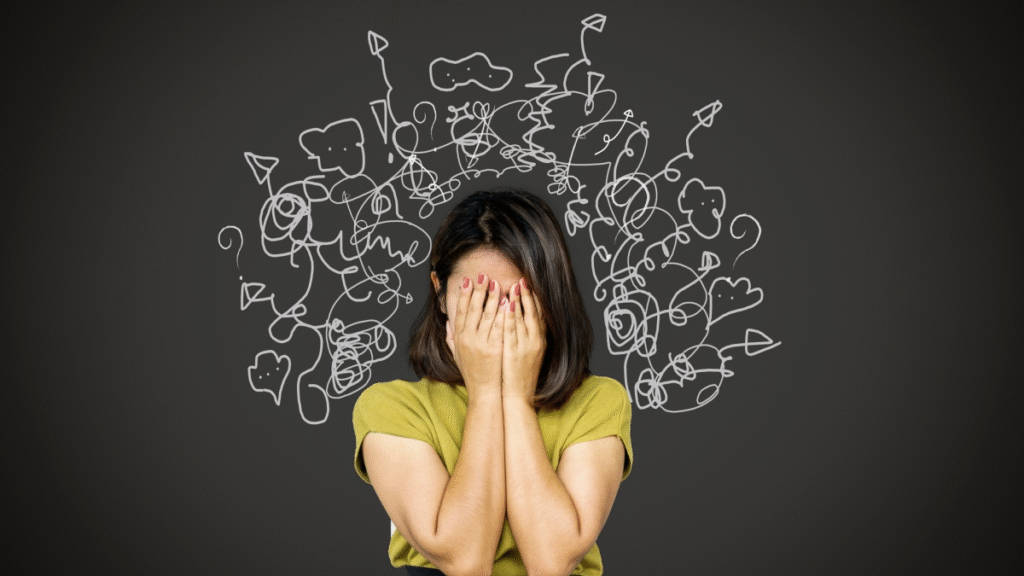
The Hidden Effects of Chronic Stress on Health
Stress has become a constant companion in modern life. While short-term stress can help the body respond to challenges, chronic stress—when stress persists for weeks, months, or even years—can silently damage both physical and mental health. Many people overlook stress as a normal part of life, unaware of its hidden and long-term effects on the body.
Understanding how chronic stress impacts health is the first step toward prevention and healing.
How Chronic Stress Affects the Body
When the body is under stress, it releases hormones such as cortisol and adrenaline. These hormones prepare the body for a “fight or flight” response. However, when stress becomes chronic, the continuous release of stress hormones disrupts normal body functions.
Over time, this imbalance affects multiple systems in the body, often without obvious early symptoms.
Hidden Effects of Chronic Stress on Physical Health
1. Weakens the Immune System
Chronic stress suppresses immune function, making the body more vulnerable to frequent infections, slow recovery, and chronic inflammation. People under long-term stress often fall sick more often than usual.
2. Affects Heart Health
Persistent stress increases blood pressure, heart rate, and cholesterol levels. Over time, this raises the risk of heart disease, hypertension, and stroke. Stress-related inflammation can also damage blood vessels.
3. Disrupts Digestion and Gut Health
Stress has a direct impact on digestion. It can cause acidity, bloating, irritable bowel syndrome (IBS), constipation, or diarrhea. Chronic stress alters gut bacteria, affecting nutrient absorption and overall digestive health.
4. Hormonal Imbalance
Long-term stress interferes with hormonal balance, affecting thyroid function, reproductive hormones, and insulin regulation. This may lead to menstrual irregularities, fertility issues, weight gain, or fatigue.
5. Contributes to Chronic Pain and Fatigue
Stress increases muscle tension, leading to headaches, neck pain, back pain, and joint stiffness. It also disrupts sleep, resulting in chronic fatigue and low energy levels.
Mental and Emotional Effects of Chronic Stress
The effects of stress are not limited to the body alone.
- Increased anxiety and depression
- Difficulty concentrating and memory issues
- Irritability and mood swings
- Burnout and emotional exhaustion
Over time, chronic stress can reduce resilience, making it harder to cope with everyday challenges.
Stress and Lifestyle-Related Disorders
Chronic stress is strongly linked to lifestyle disorders such as obesity, diabetes, and metabolic syndrome. Elevated cortisol levels increase cravings for unhealthy foods, disrupt metabolism, and promote fat storage—especially around the abdomen.
Stress can also lead to unhealthy coping habits such as overeating, smoking, alcohol consumption, or lack of physical activity, further worsening health outcomes.
Why Chronic Stress Often Goes Unnoticed
One of the most dangerous aspects of chronic stress is that its effects develop gradually. Symptoms like fatigue, digestive discomfort, or poor sleep are often ignored or normalized, delaying intervention until more serious conditions arise.
Managing and Reducing Chronic Stress Naturally
Addressing stress early can prevent long-term health complications. Effective stress management includes:
- Maintaining a regular sleep routine
- Practicing mindfulness, meditation, or breathing exercises
- Engaging in regular physical activity
- Following a balanced, nourishing diet
- Seeking emotional support and professional guidance
Holistic approaches, including Ayurveda and lifestyle-based therapies, focus on restoring balance to both mind and body, helping individuals build long-term resilience to stress.
Final Thoughts
The hidden effects of chronic stress on health are profound and far-reaching. While stress may seem unavoidable, its long-term impact does not have to be. Recognizing the signs early and adopting healthy coping strategies can protect your body, improve mental well-being, and enhance overall quality of life.
Ignoring stress today may lead to health challenges tomorrow—listening to your body now can make all the difference.#jeevalaya #nakshatras #jeevalaya bangalore #jeevalaya retreat centre #jeevalaya whitefield #mental wellness #property healing #Ayurveda #Counseling #Medical astrology
External link – https://en.wikipedia.org/wiki/Ayurveda
Internal link – https://jeevalaya.co.in/ayurvedic-self-care-rituals-for-mental-well-being/