

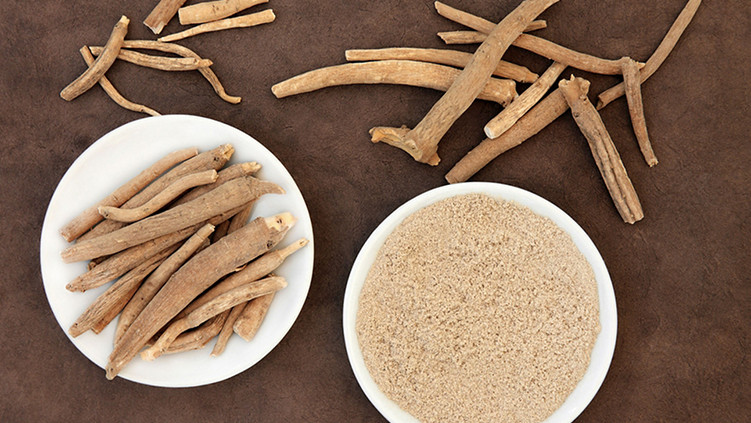
Ashwagandha Benefits vs Safety Concerns: What Ayurveda & Science Really Say
Ashwagandha (Withania somnifera) is one of the most trusted herbs in Ayurveda, widely used for stress management, energy enhancement, immunity, and overall vitality. However, recent discussions around its safety have created confusion among consumers. So, is Ashwagandha safe? The answer lies in how it is used, which part is used, and whether it follows official guidelines.
Let’s break down what Ayurveda, modern research, and the Government of India (Ministry of AYUSH) actually say.
What Is Ashwagandha According to Ayurveda?
In classical Ayurvedic, Siddha, and Unani systems, only the root of Ashwagandha is recognized as medicinal. The Ayurvedic Pharmacopoeia of India clearly defines Ashwagandha as the dried mature root of Withania somnifera.
✔ Used for centuries
✔ Mentioned in classical texts
✔ Included in approved formulations
The leaves, however, are not mentioned in any traditional Ayurvedic texts for therapeutic use.
Official AYUSH Advisory: Leaves Are Not Approved
The Ministry of AYUSH has officially issued an advisory stating that:
- Ashwagandha leaves should not be used in Ayurvedic or ASU medicines
- There is no sufficient safety or efficacy data for leaf extracts
- Leaves should not be marketed as ASU drugs or food supplements
This means products using Ashwagandha leaves or leaf extracts fall outside traditional and regulatory approval.
Addressing Safety Concerns & Side Effects
Most safety concerns reported globally are linked to:
- Excessive dosage
- Poor-quality extracts
- Unstandardized formulations
- Use of non-traditional plant parts (like leaves)
According to CCRAS (Central Council for Research in Ayurvedic Sciences):
- Root-based Ashwagandha, when used in recommended doses, is generally safe
- Reported adverse effects are rare and often reversible
- Individuals with liver disease, thyroid disorders, autoimmune conditions, or pregnancy should consult a qualified physician
There is no blanket ban on Ashwagandha in India when used appropriately.
Ashwagandha & Liver Safety: The Real Picture
Some international reports linked Ashwagandha to liver issues. However, Indian scientific reviews highlight that:
- Cases lacked proper dosage control
- Products used were often multi-herbal or contaminated
- No conclusive evidence proves that pure Ashwagandha root causes liver toxicity
AYUSH and CCRAS maintain that quality, dosage, and formulation matter more than the herb itself.
How to Use Ashwagandha Safely
To ensure safe consumption:
✔ Choose products made only from Ashwagandha root
✔ Look for AYUSH-approved or GMP-certified brands
✔ Avoid self-medication for long periods
✔ Follow dosage recommended by an Ayurvedic doctor
✔ Avoid mixing with alcohol or unnecessary supplements
Final Verdict: Is Ashwagandha Safe or Not?
Yes — Ashwagandha is safe when used correctly.
The confusion arises not because of the herb, but due to misuse, unregulated products, and non-traditional practices. Ayurveda has always emphasized personalized dosage, purity, and proper guidance, which remains true today.
If you respect the science of Ayurveda and follow government advisories, Ashwagandha remains a powerful and reliable natural supplement.jeevalaya #nakshatras #jeevalaya bangalore #jeevalaya retreat centre #jeevalaya whitefield #mental wellness #property healing #Ayurveda #Counseling #Medical astrology
External link – https://en.wikipedia.org/wiki/Ayurveda
Internal link – https://jeevalaya.co.in/ayurvedic-self-care-rituals-for-mental-well-being/