

Ashwagandha Under Fire in the West: The Ayurveda Truth the World Is Missing
Ashwagandha (Withania somnifera) has been a cornerstone of Ayurveda for over 3,000 years. Known as a rasāyana—a rejuvenative herb—it has traditionally been prescribed to support stress resilience, immunity, sleep, strength, and long-term vitality. Yet today, this trusted herb finds itself under intense regulatory scrutiny in parts of Europe, raising an uncomfortable question: how can a plant with centuries of safe use suddenly be considered unsafe?
The controversy traces back to a 2020 risk assessment by the Technical University of Denmark (DTU), which raised concerns around hormonal effects, thyroid stimulation, immune modulation, liver injury, and neurological impact. These findings ultimately led to regulatory actions, including a ban in Denmark.
From an Ayurvedic perspective, the issue is not the herb—but how it is being evaluated.
Ayurveda vs Reductionist Regulation
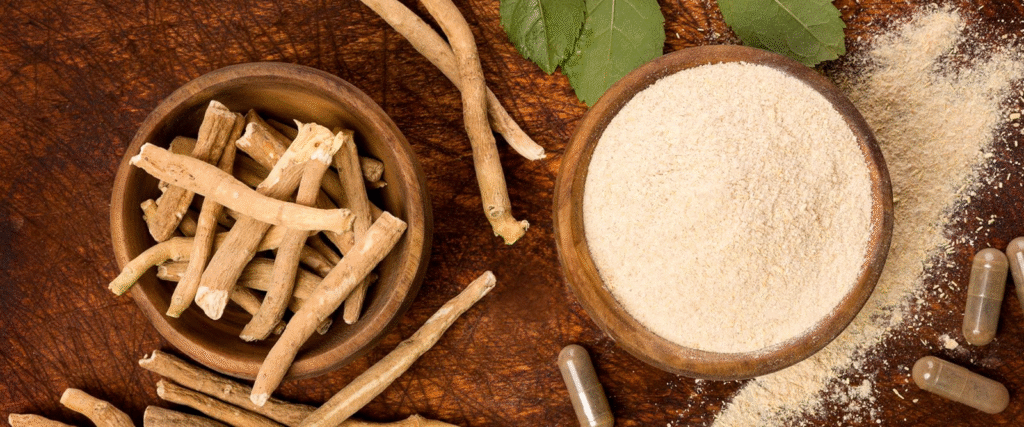
Classical Ayurvedic texts are unequivocal: only the root of Ashwagandha is recommended for internal use. Leaves and berries were traditionally applied externally, never consumed. However, many modern supplements—especially in Western markets—use leaf extracts or mixed plant parts, sometimes in highly concentrated forms.
This is where modern regulation falters. The DTU assessment relied heavily on animal and in-vitro studies, many conducted on leaves and stems rather than the root. Applying toxicity data from non-medicinal parts to the medicinal root is scientifically flawed—much like banning apples because their seeds contain cyanide precursors.
India’s Ministry of AYUSH, through CCRAS, responded with Ashwagandha Safety Dossier 1.0 and 2.0, systematically rebutting each claim. These dossiers emphasized clinical evidence, real-world usage, and centuries of documented safety. Today, over 1,900 research papers on PubMed support Ashwagandha’s pharmacology and safety when used correctly.
The Real Issue: Context Matters
Modern drug regulation is designed for single molecules, single targets, and linear cause-effect models. Ayurveda works differently. It is a systems-based medicine where safety depends on:
- The part used (root vs leaf)
- The preparation method
- The dose
- The duration
- The individual’s constitution (prakriti)
Ignoring this context creates what experts now call a “safety paradox”—where time-tested remedies are flagged as risky simply because the wrong assessment tools are used.
Jeevalaya’s Perspective: Rooted in Integrity
At Jeevalaya, Ashwagandha is not treated as a generic supplement ingredient. It is approached as a clinically contextualized Ayurvedic medicine. This means:
- Root-only formulations, aligned with classical texts
- No leaf extracts or undocumented combinations
- Personalized recommendations based on body type, digestion, and health status
- Emphasis on quality control from seed to shelf
Ayurveda was never meant to be “one capsule fits all.” When Ashwagandha is used indiscriminately—without regard for dose, duration, or individual needs—problems can arise. The solution is not bans, but better education, transparency, and regulation grounded in context.
A Larger Question of Fairness
Interestingly, modern medicine continues to manage serious risks—adverse drug reactions, antibiotic resistance, medical errors—without banning entire categories of drugs. Yet traditional medicine often faces blanket prohibitions based on disputed evidence.
This raises a deeper concern: Is Ayurveda being evaluated on a level playing field?
The growing global acceptance of integrative medicine, highlighted by the WHO Global Summits on Traditional Medicine and India’s release of a commemorative Ashwagandha stamp, suggests the tide is slowly turning.
The Way Forward
Ashwagandha’s story is not just about one herb—it reflects the future of integrative healthcare. The path ahead requires contextual safety assessment, respect for traditional knowledge, and rigorous yet fair scientific evaluation.At Jeevalaya, we believe the answer lies in integration, not opposition. When Ayurveda and modern science meet with mutual respect, patients benefit most. Ashwagandha, when used as intended, remains what it has always been—a powerful ally for balanced, resilient health.jeevalaya #nakshatras #jeevalaya bangalore #jeevalaya retreat centre #jeevalaya whitefield #mental wellness #property healing #Ayurveda #Counseling #Medical astrology
External link – https://en.wikipedia.org/wiki/Ayurveda
Internal link – https://jeevalaya.co.in/ayurvedic-self-care-rituals-for-mental-well-being/