

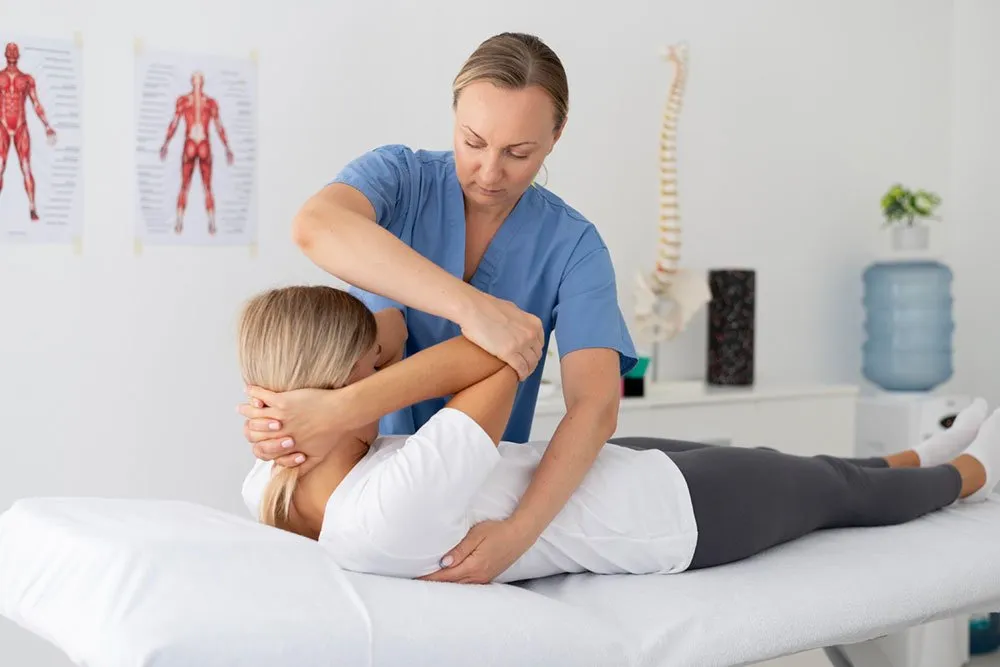
Surgery is often the first step toward healing — but true recovery begins afterward. Whether it’s a joint replacement, ligament repair, spinal procedure, or fracture fixation, post-surgery rehabilitation plays a critical role in restoring strength, mobility, and independence. Physiotherapy is a cornerstone of this recovery phase, helping patients heal safely and regain function faster.
Without proper rehabilitation, stiffness, weakness, and delayed healing can limit surgical outcomes. Structured physiotherapy ensures that recovery is not only quicker but also more complete.
Why Post-Surgery Rehabilitation Matters
After surgery, the body goes through inflammation, tissue healing, and muscle deconditioning. Prolonged rest may reduce pain temporarily, but it can also lead to joint stiffness, muscle weakness, and reduced circulation.
Physiotherapy addresses these challenges through guided movement, targeted exercises, and progressive rehabilitation strategies. It helps patients transition from passive healing to active recovery.
Key Goals of Post-Surgical Physiotherapy
The primary objectives of physiotherapy after surgery include:
- Reducing pain and swelling
- Preventing stiffness and scar tightness
- Restoring range of motion
- Rebuilding muscle strength
- Improving balance and coordination
- Enabling safe return to daily activities
Each rehabilitation plan is tailored based on the type of surgery and the patient’s overall health.
Pain and Swelling Management
One of the first roles of physiotherapy is managing post-operative pain and inflammation. Techniques such as gentle mobilization, cold therapy, and electrotherapy help reduce swelling and discomfort.
Early pain control allows patients to start movement sooner, which is essential for preventing complications like joint stiffness and muscle wasting.
Restoring Mobility and Flexibility
Surgery can temporarily limit movement due to pain, sutures, or immobilization. Physiotherapy gradually reintroduces controlled motion to prevent joints from becoming rigid.
For example:
- Knee surgery rehab focuses on bending and straightening exercises
- Shoulder surgery rehab emphasizes controlled mobility drills
- Spine surgery rehab includes posture and stabilization work
These exercises are carefully progressed to ensure safety and effectiveness.
Strengthening Muscles After Surgery
Muscle weakness is common after surgery due to inactivity and tissue trauma. Physiotherapy incorporates progressive strengthening exercises to rebuild muscle mass and endurance.
Strengthening is vital because strong muscles support healing tissues and reduce stress on operated areas. It also improves functional independence during daily tasks.
According to rehabilitation experts like Dr. Dhara Shah, structured strengthening not only speeds recovery but also improves long-term surgical outcomes.
Preventing Post-Surgical Complications
Physiotherapy significantly reduces the risk of complications such as:
- Joint stiffness
- Blood clots due to immobility
- Poor posture or movement habits
- Muscle atrophy
- Delayed functional recovery
Early mobilization and guided exercises help maintain circulation and promote tissue healing.
Improving Balance and Functional Recovery
Beyond pain relief and strength, physiotherapy focuses on restoring real-life function. Activities like walking, climbing stairs, or lifting objects require coordination and balance.
Rehabilitation includes functional training that prepares patients for everyday movements. This ensures a smooth transition back to normal life, work, or sports.
Faster and Safer Return to Daily Activities
One of the biggest benefits of physiotherapy is enabling patients to regain independence faster. Whether it’s walking without support after knee surgery or regaining shoulder movement after rotator cuff repair, structured rehab accelerates recovery milestones.
Physiotherapists also educate patients on safe movement techniques, helping them avoid strain or re-injury during healing.
Psychological Benefits of Rehabilitation
Post-surgery recovery can be physically and emotionally challenging. Physiotherapy provides reassurance, structured progress tracking, and motivation — all of which boost confidence during recovery.
Seeing gradual improvements helps patients stay positive and committed to their healing journey.
Why You Should Never Skip Post-Surgical Physiotherapy
Some patients assume surgery alone will fix the problem. However, without proper rehabilitation, even successful surgeries may not deliver optimal results.
Physiotherapy bridges the gap between surgical repair and full functional recovery. It ensures that the body heals correctly and regains strength, flexibility, and coordination.
Rebuild Strength, Restore Confidence
Post-surgery rehabilitation is not just about healing — it’s about regaining control over your body and life. Physiotherapy provides a structured, evidence-based approach that supports safe and complete recovery.
If you or a loved one is preparing for or recovering from surgery, incorporating physiotherapy into the recovery plan can make a remarkable difference. With guided rehabilitation, consistent effort, and expert care, you can heal stronger, move better, and return to daily life with confidence.jeevalaya #nakshatras #jeevalaya bangalore #jeevalaya retreat centre #jeevalaya whitefield #mental wellness #property healing #Ayurveda #Counseling #Medical astrology
External link – https://en.wikipedia.org/wiki/Ayurveda
Internal link – https://jeevalaya.co.in/ayurvedic-self-care-rituals-for-mental-well-being/