

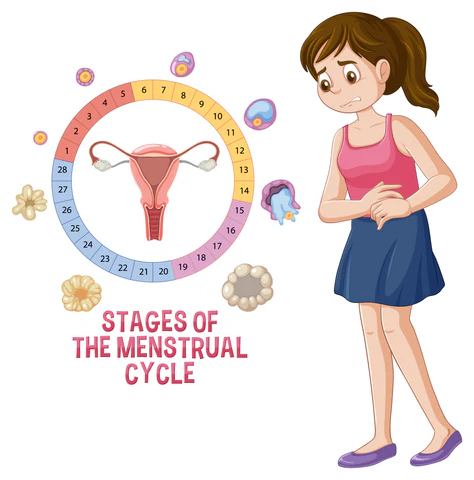
Many women notice changes in their menstrual cycle during stressful periods of life. Missed periods, delayed menstruation, or irregular cycles often raise concerns—and anxiety is frequently a hidden factor. So, can anxiety delay or disrupt menstrual cycles? The answer is yes. Anxiety can significantly affect menstrual regularity by disrupting the body’s hormonal balance and stress-response systems.
Understanding the Stress–Menstrual Cycle Connection
The menstrual cycle is regulated by a complex interaction between the brain, hormones, and reproductive organs. When anxiety becomes persistent, it activates the body’s stress response system, known as the hypothalamic-pituitary-adrenal (HPA) axis.
Chronic anxiety increases levels of cortisol, the primary stress hormone. Elevated cortisol can interfere with the hypothalamic-pituitary-ovarian (HPO) axis, which controls ovulation and menstruation. When this communication is disrupted, ovulation may be delayed or suppressed, leading to late, missed, or irregular periods.
How Anxiety Disrupts Hormonal Balance
Anxiety affects menstruation through several hormonal pathways:
- Cortisol dominance: High cortisol signals the body that it is under threat, shifting focus away from reproduction and toward survival. This can delay ovulation or stop it altogether.
- Reduced estrogen and progesterone: Anxiety can suppress the release of hormones needed for a regular menstrual cycle, resulting in lighter periods, delayed cycles, or skipped menstruation.
- Irregular ovulation: Without timely ovulation, the menstrual cycle becomes unpredictable or prolonged.
These disruptions explain why anxiety is commonly linked to irregular periods, delayed menstruation, or changes in flow and cycle length.
Symptoms of Anxiety-Related Menstrual Disruption
Women experiencing anxiety-related menstrual changes may notice:
- Delayed or missed periods
- Shorter or longer menstrual cycles
- Lighter or heavier bleeding
- Increased PMS or premenstrual anxiety
- Worsening cramps or fatigue
These symptoms are often temporary but can persist if anxiety remains unmanaged.
The Role of Emotional and Lifestyle Stressors
Emotional stress, work pressure, sleep deprivation, poor diet, and lack of physical activity can intensify anxiety and further disrupt menstrual health. Anxiety often creates a cycle of imbalance, where irregular periods increase worry, which then worsens hormonal disruption.
Understanding this mind-body connection is crucial for restoring balance and regularity.
Can Anxiety Cause Long-Term Menstrual Irregularities?
Occasional anxiety-related delays are common and usually resolve once stress levels decrease. However, chronic anxiety can contribute to ongoing menstrual irregularities and conditions such as functional hypothalamic amenorrhea.
If periods remain irregular for several months, professional evaluation is important to rule out other causes and prevent long-term hormonal imbalance.
Ways to Restore Menstrual Balance Naturally
Managing anxiety effectively can help regulate menstrual cycles:
- Stress management: Meditation, breathing exercises, and mindfulness calm the nervous system and reduce cortisol levels.
- Regular exercise: Moderate physical activity improves hormone regulation and emotional resilience.
- Balanced nutrition: A nutrient-rich diet supports reproductive hormones and stress recovery.
- Quality sleep: Adequate rest helps regulate cortisol and supports ovulation.
- Emotional support: Counseling or therapy can help break the anxiety–cycle disruption loop.
When to Seek Medical Help
If anxiety is causing repeated menstrual delays, missed periods for more than three months, or severe emotional distress, consulting a healthcare provider is essential. A gynecologist or mental health professional can provide appropriate guidance and treatment.
Conclusion
Yes, anxiety can delay or disrupt menstrual cycles by interfering with hormonal balance and ovulation. Chronic stress and elevated cortisol shift the body away from reproductive function, leading to irregular or missed periods. By addressing anxiety through lifestyle changes, stress management, and professional support when needed, women can restore hormonal balance and maintain healthier, more regular menstrual cycles.anxiety can delay or disrupt menstrual cycles by interfering with the body’s hormonal balance. Chronic anxiety increases cortisol levels, which can suppress ovulation and disrupt the communication between the brain and reproductive hormones. This may lead to delayed, missed, or irregular periods, along with changes in flow and increased PMS symptoms. Managing anxiety through stress reduction, healthy lifestyle habits, proper sleep, and emotional support can help restore hormonal balance and improve menstrual regularity. Understanding the mind–body connection is key to maintaining a healthy menstrual cycle.#jeevalaya #nakshatras #jeevalaya bangalore #jeevalaya retreat centre #jeevalaya whitefield #mental wellness #property healing #Ayurveda #Counseling #Medical astrology
External link – https://en.wikipedia.org/wiki/Ayurveda
Internal link – https://jeevalaya.co.in/ayurvedic-self-care-rituals-for-mental-well-being/