

Catabolism, Metabolism, and Anabolism in Ayurveda
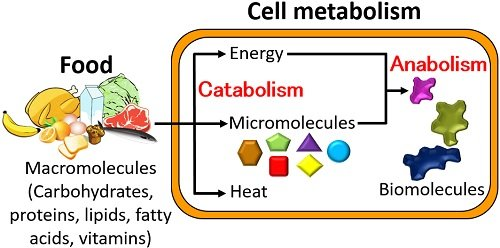
Ayurveda, the ancient Indian system of medicine, emphasizes balance of the three doshas—Vata, Pitta, and Kapha—as the key to optimal health. Each dosha governs specific physiological and psychological functions in the body. Understanding how these doshas relate to catabolism, metabolism, and anabolism can help maintain harmony and support overall well-being.
Catabolism and Vata Dosha
Catabolism is the process of breaking down molecules to release energy. Vata dosha, with its qualities of lightness, dryness, and irregularity, naturally governs catabolic processes in the body.
Key Effects of High Vata and Catabolism:
- Unintended Weight Loss: Rapid tissue breakdown can lead to loss of muscle and fat stores.
- Dryness and Dehydration: Overactive catabolism may result in dry skin, brittle hair, and dry mucous membranes.
- Restlessness and Anxiety: Vata governs movement, including nerve impulses, which can cause mental agitation and digestive irregularities.
Balancing Vata:
Grounding routines, hydrating and nourishing foods, and a consistent daily schedule can help mitigate excessive catabolic activity. Warm oils, gentle massages, and meditation also provide stability and calm.
Metabolism and Pitta Dosha
Metabolism refers to the chemical reactions that maintain life, including the transformation of food into energy. Pitta dosha, associated with heat, digestion, and transformation, primarily governs metabolic processes.
Signs of Pitta Imbalance Affecting Metabolism:
- Digestive Hyperactivity: Overactive Pitta can cause acid reflux, heartburn, and excessive digestive heat.
- Inflammation: Pitta excess often manifests as internal or external inflammation.
- Sluggish Metabolism: Low Pitta activity may lead to slow digestion, weight gain, and reduced energy.
Balancing Pitta:
Cooling, anti-inflammatory foods, hydration, stress management, and moderate exercise help regulate metabolic processes. Lifestyle routines that prevent overheating and overexertion support Pitta balance.
Anabolism and Kapha Dosha
Anabolism is the process of building molecules from smaller units, requiring energy for growth and repair. Kapha dosha, with its heaviness, stability, and moisture, plays a key role in anabolic functions.
Effects of Excess Kapha on Anabolism:
- Weight Gain: Overactive anabolism can result in accumulation of fat and muscle tissue.
- Lethargy and Stagnation: Excess Kapha may cause physical and mental sluggishness.
- Increased Mucosity: High Kapha can lead to respiratory issues, colds, and congestion.
Balancing Kapha:
Incorporate light, warming, and stimulating foods, along with regular exercise and mental engagement. Activities that invigorate the mind and body prevent excessive anabolic buildup.
Conclusion
Understanding the dosha-specific metabolic processes—catabolism for Vata, metabolism for Pitta, and anabolism for Kapha—provides a roadmap to maintain balance and health. Tailoring diet, lifestyle, and daily routines according to your dominant dosha ensures harmony between the mind, body, and spirit.
In Ayurveda, the interplay of catabolism, metabolism, and anabolism is seen as a playful dance of energies. By embracing this wisdom, individuals can foster vitality, prevent disease, and live a vibrant, balanced life aligned with the rhythms of nature.
External link – https://en.wikipedia.org/wiki/Ayurveda
Internal link – https://jeevalaya.co.in/ayurvedic-self-care-rituals-for-mental-well-being/