

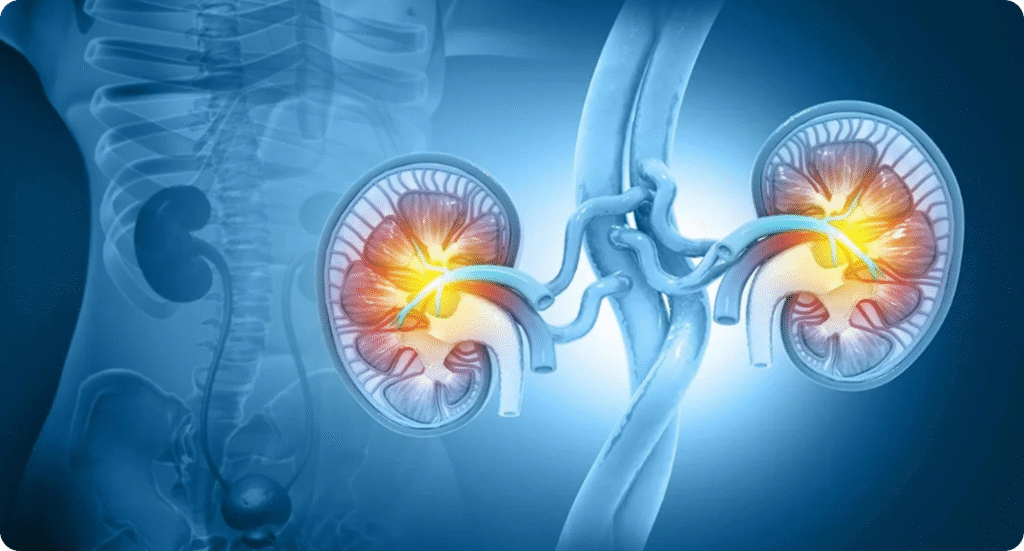
Urological health is vital for overall well-being, as the kidneys and bladder play a critical role in filtering toxins and maintaining fluid balance. According to Ayurveda, the harmony of the three doshas—Vata, Pitta, and Kapha—determines the health of the urinary system. Imbalances in these doshas can lead to issues such as urinary tract infections, kidney stones, or frequent urination. Fortunately, Ayurvedic diet and lifestyle practices offer natural ways to strengthen the kidneys and bladder.
1. Understanding Dosha Imbalance and Urological Health
- Vata imbalance can cause frequent urination or bladder irritation.
- Pitta imbalance may result in inflammation, burning sensations, or kidney infections.
- Kapha imbalance often leads to sluggish kidney function and water retention.
Balancing doshas through proper diet, lifestyle, and herbal remedies forms the cornerstone of Ayurveda for urological health.
2. Ayurvedic Diet Guidelines
- Hydration: Drink plenty of warm water, herbal teas, and infused water to flush out toxins.
- Diuretic Foods: Include watermelon, cucumber, pomegranate, and celery to support kidney function.
- Digestive Support: Light, easily digestible meals with spices like turmeric, cumin, coriander, and ginger improve metabolism and reduce toxin accumulation.
- Avoid Excess Salt and Processed Foods: High sodium intake can strain kidneys, while processed foods disrupt dosha balance.
- Moderate Protein Intake: Prefer plant-based proteins like mung beans, lentils, and soaked nuts to prevent kidney overload.
- Seasonal Adjustments: Follow seasonal eating habits in Ayurveda to keep doshas balanced and maintain urinary tract health.
3. Lifestyle Practices for Kidney and Bladder Health
- Regular Exercise: Gentle yoga, walking, and stretching improve blood circulation and kidney detoxification.
- Abhyanga (Oil Massage): Daily self-massage with warm sesame or coconut oil enhances circulation and reduces Vata imbalance.
- Pranayama (Breathing Exercises): Techniques like Anulom Vilom and Kapalabhati help remove toxins and strengthen internal organs.
- Adequate Sleep: Proper rest supports kidney regeneration and hormonal balance.
- Stress Management: Meditation and mindfulness practices reduce Pitta-related inflammation and improve overall urinary health.
4. Ayurvedic Herbs for Urological Support
- Punarnava (Boerhavia diffusa): Promotes kidney detoxification and reduces water retention.
- Gokshura (Tribulus terrestris): Strengthens bladder muscles and improves urinary flow.
- Varuna (Crataeva nurvala): Supports healthy bladder function and prevents infections.
- Chandraprabha Vati: An Ayurvedic formulation known for its benefits in urinary disorders and kidney health.
5. Preventive Tips
- Avoid holding urine for long periods to prevent infections.
- Maintain a balanced diet that suits your body constitution (dosha).
- Limit caffeine and alcohol, as they irritate the bladder.
- Monitor urinary symptoms and consult an Ayurvedic practitioner for personalized care.
By following these Ayurvedic diet and lifestyle guidelines, you can naturally strengthen your kidneys and bladder, reduce the risk of urinary disorders, and maintain long-term urological health. Integrating simple daily habits, herbal support, and mindful eating not only restores dosha balance but also enhances overall vitality.Urological health, encompassing the proper functioning of the kidneys and bladder, is essential for overall wellness, as these organs regulate fluid balance, filter toxins, and support metabolic processes. Ayurveda views urological health through the lens of dosha balance—Vata, Pitta, and Kapha—and emphasizes that any imbalance can lead to urinary disorders such as infections, kidney stones, inflammation, or frequent urination. Natural management through diet, lifestyle, and herbal remedies is central to Ayurveda’s approach.
A kidney- and bladder-friendly diet includes adequate hydration, diuretic fruits and vegetables like watermelon, cucumber, and pomegranate, light and easily digestible meals, and spices such as turmeric, cumin, coriander, and ginger that aid digestion and detoxification. Avoiding excessive salt, processed foods, and overconsumption of animal proteins reduces kidney strain. Seasonal adjustments and eating according to one’s dosha further support urinary system balance.Lifestyle practices are equally important. Gentle yoga, regular exercise, and daily self-massage (Abhyanga) improve circulation and detoxification, while breathing exercises like Anulom Vilom and Kapalabhati strengthen internal organs and remove toxins. Adequate sleep, stress management, and mindful living reduce Pitta-related inflammation and enhance kidney regeneration.#jeevalaya #nakshatras #jeevalaya bangalore #jeevalaya retreat centre #jeevalaya whitefield #mental wellness #property healing #Ayurveda #Counseling #Medical astrology
External link – https://en.wikipedia.org/wiki/Ayurveda
Internal link – https://jeevalaya.co.in/ayurvedic-self-care-rituals-for-mental-well-being/