

What Is Metabolism? The Ayurvedic Perspective on Agni
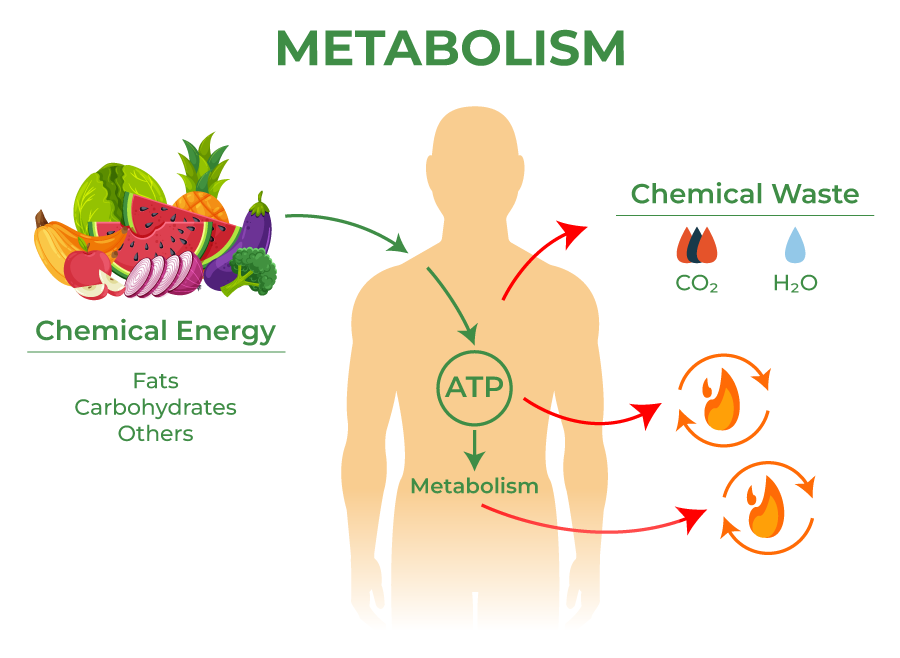
What is metabolism, you ask? Metabolism is the essential chemical process occurring within every cell of the body, converting the food and drinks we consume into energy. This energy fuels vital functions such as growth, movement, hormone regulation, detoxification, tissue repair, and overall vitality. Without efficient metabolism, the body struggles to maintain balance, leading to fatigue, weight gain, hormonal disorders, and chronic disease.
In Ayurveda, metabolism is beautifully explained through the concept of Agni, meaning “fire.” Agni is not merely digestion—it is the fundamental force responsible for strength (bala), vitality (ojas), immunity, clarity of mind, and even longevity. According to Ayurveda, life itself depends on the proper functioning of Agni.
Why Agni Is Central to Health in Ayurveda
Ayurveda teaches that food must be digested, absorbed, and assimilated correctly to nourish the body. This entire process depends on balanced Agni. When Agni is strong, nutrients are absorbed efficiently, tissues are nourished, toxins are eliminated, and the mind remains clear.
The classical Ayurvedic verse
“Agni doshahi manushyam rogansankhya pratakvidhah”
states that disturbances in Agni are the root cause of most diseases. In simple terms, weak, excessive, or irregular digestive fire leads to toxin accumulation (ama), which eventually manifests as illness.
The 13 Types of Agni Explained
Ayurveda identifies 13 distinct types of Agni, each playing a vital role in metabolism:
1. Jataragni (1) – The Primary Digestive Fire
Jataragni resides in the digestive tract and governs the breakdown of food. It determines appetite, digestion, absorption, and elimination. If Jataragni is weak, even nutritious food turns toxic.
2. Bhutagni (5) – Elemental Metabolic Fires
The five Bhutagnis act on food to nourish the Pancha Mahabhutas (five elements) within the body:
- Prithvi (Earth)
- Aap (Water)
- Teja (Fire)
- Vayu (Air)
- Akash (Space)
These Agnis ensure that food transforms into elemental nourishment suitable for the body’s structure and function.
3. Dhatvagni (7) – Tissue Metabolic Fires
Each of the seven body tissues (Dhatus) has its own Agni:
- Rasa (plasma)
- Rakta (blood)
- Mamsa (muscle)
- Meda (fat)
- Asthi (bone)
- Majja (nervous tissue)
- Shukra/Artava (reproductive tissue)
Balanced Dhatvagni ensures proper tissue nourishment, regeneration, immunity, and hormonal balance.
Signs of Imbalanced Metabolism (Weak Agni)
- Poor appetite or irregular hunger
- Bloating, acidity, gas
- Weight gain or unexplained weight loss
- Fatigue and sluggishness
- Skin issues and low immunity
- Mental fog and emotional imbalance
Ayurvedic Tips to Improve Metabolism Naturally
Ayurveda offers simple yet powerful ways to strengthen Agni:
- Use warming spices: Ginger, garlic, turmeric, cumin, black pepper
- Include ghee in moderation to lubricate and kindle digestion
- Drink herbal teas made from cumin, coriander, and fennel
- Practice yoga and daily movement to stimulate digestive fire
- Avoid sleeping immediately after meals
- Maintain regular meal timings
- Ensure deep, restorative night sleep
These practices help restore digestive intelligence and metabolic balance.
Conclusion: Protect Your Agni, Protect Your Health
In Ayurveda, metabolism is not just about calories—it is about how well life is processed within you. When Agni is balanced, the body thrives with energy, clarity, and resilience. By honoring Agni through mindful eating, lifestyle discipline, and natural therapies, one can prevent disease and experience lasting wellness.
Strong Agni is the foundation of strong life.
External link – https://en.wikipedia.org/wiki/Ayurveda
Internal link – https://jeevalaya.co.in/ayurvedic-self-care-rituals-for-mental-well-being/