

Parkinson’s Remediation Plan Using Ayurveda
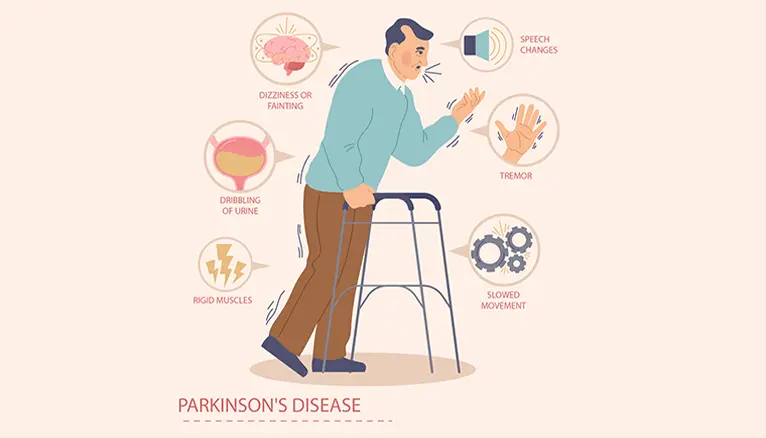
Parkinson’s disease is a progressive neurological disorder that affects movement, often causing tremors, stiffness, and balance difficulties. Ayurveda, the ancient holistic science of life, provides a comprehensive approach to manage symptoms and support overall well-being. By focusing on dosha balance, detoxification, nervous system nourishment, and emotional health, Ayurveda offers a pathway for improved quality of life.Parkinson’s disease is a progressive neurological disorder that affects movement, balance, and coordination. Ayurveda offers a holistic approach to support individuals with Parkinson’s by focusing on balancing Vata dosha, detoxifying the body, and strengthening the nervous system. The remediation plan combines dietary adjustments, herbal remedies like Ashwagandha, Brahmi, Turmeric, and Guggulu, Panchakarma therapies, and oil massages to reduce stiffness and improve circulation. Emotional and mental well-being are addressed through counseling, sound healing, chakra balancing, yoga, and meditation. By integrating lifestyle changes, nutrition, and personalized therapies, Ayurveda provides a comprehensive, individualized plan aimed at mitigating symptoms and enhancing quality of life for Parkinson’s patients.
Goals of the Remediation Plan
- Balance Vata Dosha – Parkinson’s is closely associated with Vata imbalance. Dietary choices, lifestyle practices, and Ayurvedic treatments aim to calm Vata and improve mobility.
- Detoxification – Eliminate toxins (Ama) that may contribute to neurological deterioration.
- Strengthen the Nervous System – Support nerve health and prevent further degeneration.
- Emotional Support – Address psychological challenges with counseling, meditation, and sound healing.
- Restore Chakra Balance – Utilize sound therapy to align the throat (Vishuddha) and third eye (Ajna) chakras, enhancing mental clarity and communication.
Dietary Recommendations
- Warm, Nourishing Foods: Soups, stews, and whole grains help pacify Vata.
- Healthy Fats: Ghee and olive oil lubricate tissues and aid nutrient absorption.
- Spices: Ginger, turmeric, and cinnamon improve digestion and circulation.
- Hydration: Warm herbal teas and broths support overall wellness.
- Avoid Cold or Dry Foods: Raw, cold, or dried foods can aggravate Vata.
Herbal Support
- Ashwagandha: Strengthens the nervous system and provides neuroprotection.
- Brahmi: Enhances cognition and calms the mind.
- Turmeric: Anti-inflammatory and supports general health.
- Guggulu: Aids detoxification and joint health.
Herbs are administered as powders, oils, decoctions, or capsules, tailored to the individual’s constitution.
Ayurvedic Treatments
- Panchakarma Detoxification: Cleanses toxins, restores dosha balance, and improves circulation.
- Snehana (Oleation): Medicated oils nourish and lubricate tissues.
- Swedana (Steam Therapy): Opens channels and supports detoxification.
- Basti (Medicated Enemas): Effectively restores Vata balance.
- Abhyanga (Oil Massage): Reduces stiffness, improves circulation, and provides relaxation.
Sound Healing and Chakra Alignment
- Chakra Balancing: Uses vibrations to promote physical and mental healing.
- Mantra Chanting: Supports the throat and third eye chakras, clearing mental blocks and improving communication.
Emotional and Lifestyle Support
- Counseling: Combines modern psychological techniques with Ayurvedic principles.
- Group Therapy: Encourages social support and sharing experiences.
- Yoga & Meditation: Gentle poses enhance flexibility, balance, and mental clarity.
- Routine Establishment: Structured daily routines provide stability and reduce stress.
Monitoring Progress
Regular assessment is crucial to track improvements and adjust treatments. Collaboration with neurologists and Ayurvedic practitioners ensures a comprehensive, personalized approach.
Conclusion
Ayurveda offers a holistic and individualized framework for managing Parkinson’s disease. Through diet, herbs, Panchakarma, yoga, sound healing, and emotional support, patients can mitigate symptoms and enhance overall quality of life. By addressing the mind, body, and spirit, this integrated approach helps harmonize physical and neurological health, creating long-term benefits.
⚠️ Note: Always consult the Jeevalaya Ayurvedic team before beginning any treatment. Personalized guidance is essential for effective results, and self-medication may not yield desired outcomes.Parkinson’s disease is a progressive neurological disorder that affects movement, balance, and coordination. Ayurveda offers a holistic approach to support individuals with Parkinson’s by focusing on balancing Vata dosha, detoxifying the body, and strengthening the nervous system. The remediation plan combines dietary adjustments, herbal remedies like Ashwagandha, Brahmi, Turmeric, and Guggulu, Panchakarma therapies, and oil massages to reduce stiffness and improve circulation. Emotional and mental well-being are addressed through counseling, sound healing, chakra balancing, yoga, and meditation. By integrating lifestyle changes, nutrition, and personalized therapies, Ayurveda provides a comprehensive, individualized plan aimed at mitigating symptoms and enhancing quality of life for Parkinson’s patients.jeevalaya #nakshatras #jeevalaya bangalore #jeevalaya retreat centre #jeevalaya whitefield #mental wellness #property healing #Ayurveda #Counseling #Medical astrology
External link – https://en.wikipedia.org/wiki/Ayurveda
Internal link – https://jeevalaya.co.in/ayurvedic-self-care-rituals-for-mental-well-being/