

Chronic Stress: Causes, Symptoms, Health Risks & Effective Solutions
Introduction
In today’s fast-paced world, stress has become a constant companion for many people. While short-term stress can sometimes motivate action, ongoing pressure without relief can evolve into chronic stress—a silent condition that slowly affects your physical, mental, and emotional health. Understanding chronic stress, its warning signs, and how to manage it effectively can help you regain control and restore balance in your life.
What Is Chronic Stress?
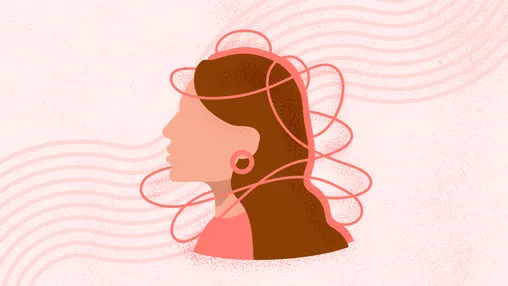
Chronic stress is a persistent state of stress that lasts for weeks or even months. Unlike acute stress—which is temporary and linked to immediate challenges—chronic stress keeps the body in a continuous fight-or-flight mode. This prolonged activation disrupts hormone balance, weakens immunity, interferes with sleep, affects digestion, and reduces overall well-being.
Over time, the body forgets how to relax, leading to exhaustion and long-term health issues.
Causes of Chronic Stress
Chronic stress usually develops from ongoing situations that feel overwhelming or unresolved.
1. Work Pressure
- Long working hours
- Job insecurity
- Unrealistic expectations
- Toxic or demanding work environments
2. Financial Problems
- Debt and loans
- Salary instability
- Rising living expenses
3. Relationship Conflicts
- Marital or family issues
- Lack of emotional support
- Communication breakdowns
4. Health Issues
- Chronic illness or pain
- Hormonal imbalance
- Long-term medical conditions
5. Lifestyle Factors
- Poor sleep habits
- Lack of physical activity
- Excessive screen time
- Unhealthy diet
6. Emotional Trauma
- Past emotional wounds
- Grief or loss
- Childhood stress experiences
Symptoms of Chronic Stress
Chronic stress impacts every system of the body. Recognising symptoms early helps prevent long-term damage.
Physical Symptoms
- Constant fatigue
- Headaches or migraines
- Muscle tension and back pain
- Digestive problems (acidity, IBS, constipation)
- Frequent illness or weak immunity
Mental & Emotional Symptoms
- Anxiety and nervousness
- Irritability or mood swings
- Depression
- Feeling overwhelmed or helpless
Behavioral Symptoms
- Insomnia or disturbed sleep
- Overeating or loss of appetite
- Reduced productivity
- Social withdrawal
- Increased caffeine, alcohol, or screen dependence
Health Risks of Untreated Chronic Stress
If left unmanaged, chronic stress can contribute to serious health conditions such as:
- High blood pressure
- Diabetes
- Hormonal imbalance
- Thyroid disorders
- Weight gain or obesity
- Heart disease
- PCOS and fertility issues
- Digestive disorders
- Memory and concentration problems
Effective Solutions for Chronic Stress
Chronic stress can be reduced with consistent lifestyle changes and supportive habits.
1. Improve Sleep Quality
- Aim for 7–9 hours of sleep
- Maintain a consistent sleep schedule
- Reduce screen time before bedtime
2. Practice Mindfulness & Relaxation
- Meditation
- Deep breathing exercises
- Yoga
- Guided relaxation techniques
3. Stay Physically Active
- 30 minutes of daily walking
- Stretching or strength training
- Gentle movement improves stress hormones
4. Balanced & Nutritious Diet
- Eat fruits, vegetables, and whole grains
- Reduce caffeine and sugar
- Stay well hydrated
5. Set Healthy Boundaries
- Learn to say “no”
- Avoid overcommitting
- Take short breaks during work
6. Connect with People
- Talk openly with friends or family
- Join support groups
- Seek professional counselling if needed
7. Reduce Screen & Social Media Overload
- Limit scrolling time
- Take regular digital detox breaks
8. Professional Support
If stress interferes with daily life, consult:
- A therapist or counsellor
- A wellness coach
- A doctor or mind-body specialist
When to Seek Help
Seek professional support if:
- Stress lasts longer than 3–4 weeks
- Sleep problems persist
- Anxiety or low mood is constant
- Daily tasks feel overwhelming
- Physical symptoms like headaches or digestive issues continue
Early intervention leads to faster and more effective recovery.
Conclusion
Chronic stress is common—but it is manageable. By understanding your stress triggers, improving daily habits, and seeking support when needed, you can restore balance to your mind and body. With awareness, consistency, and care, it’s possible to build a calmer, healthier, and more resilient life.
External link – https://en.wikipedia.org/wiki/Ayurveda
Internal link – https://jeevalaya.co.in/ayurvedic-self-care-rituals-for-mental-well-being/
jeevalaya nakshatras jeevalaya bangalore jeevalaya retreat centre jeevalaya whitefield mental wellness property healing Ayurveda Counseling Medical astrology