

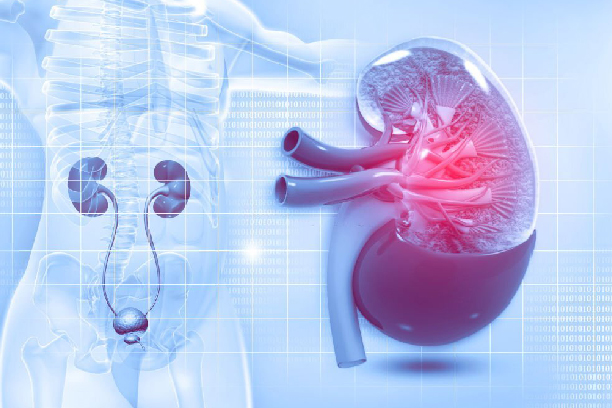
Urological diseases, including urinary tract infections, kidney stones, urinary retention, and bladder inflammation, are commonly influenced by imbalances in the body’s doshas according to Ayurveda. Unlike conventional medicine, which primarily targets symptoms, Ayurveda emphasizes understanding the root cause of urinary disorders. Dosha imbalance—Vata, Pitta, or Kapha—can disrupt normal urinary function and lead to recurring or chronic issues.
Understanding Doshas and the Urinary System
In Ayurvedic science, the urinary system is closely linked with Vata and Kapha doshas, while Pitta also influences inflammation and metabolic processes. Each dosha governs specific physiological functions:
- Vata: Controls movement and nerve impulses, influencing urinary flow and bladder function. Vata imbalance can lead to difficulty urinating, incomplete bladder emptying, or frequent urges.
- Pitta: Governs heat, metabolism, and inflammatory processes. Excess Pitta may cause burning sensations, inflammation, and urinary tract infections (UTIs).
- Kapha: Provides structure, lubrication, and fluid balance. Kapha imbalance can result in urinary stagnation, kidney stones, and sluggish bladder function.
When these doshas are aggravated, the urinary system becomes prone to infections, stones, and retention, highlighting the importance of maintaining dosha balance for urinary health.
Common Urological Disorders Linked to Dosha Imbalance
- Urinary Tract Infections (UTIs) – Primarily associated with Pitta aggravation, leading to inflammation, burning during urination, and discomfort.
- Kidney Stones (Mutrashmari) – Often caused by Kapha imbalance, which leads to accumulation of toxins and minerals forming stones.
- Frequent or Urgent Urination – Related to Vata imbalance, affecting bladder contraction and nervous control.
- Urinary Retention – Difficulty in urination due to Vata or Kapha disturbances, causing incomplete bladder emptying.
- Chronic Kidney Disorders – Long-term dosha imbalances weaken kidney function, impairing detoxification and overall urinary health.
Ayurvedic Approach to Restoring Dosha Balance
Ayurveda provides a holistic approach to restore balance, treat urinary disorders, and strengthen the urinary system:
- Herbal Remedies
- Punarnava (Boerhavia diffusa): Reduces inflammation, detoxifies the urinary system, and supports kidney function.
- Gokshura (Tribulus terrestris): Strengthens bladder and kidney function, improves urinary flow.
- Varuna (Crataeva nurvala): Helps dissolve urinary sediments and prevent kidney stones.
- Chandraprabha Vati: Balances urinary function and alleviates inflammation in the urinary tract.
- Dietary Practices
- Favor fresh, easily digestible foods and proper hydration to flush toxins.
- Avoid excessive salt, fried, or spicy foods that aggravate Pitta and Kapha.
- Include cooling, anti-inflammatory foods like cucumber, coconut water, and melons.
- Lifestyle Practices
- Yoga and Pranayama: Improve circulation, reduce stress, and strengthen the urinary organs.
- Regular Exercise: Helps maintain healthy fluid balance and metabolism.
- Stress Management: Meditation and mindfulness regulate Vata and Pitta, reducing urinary discomfort.
- Detoxification Therapies (Panchakarma)
- Basti (Medicated Enemas): Eliminates toxins from the urinary tract.
- Virechana (Purgation Therapy): Cleanses the digestive and excretory systems, promoting urinary health.
Conclusion
Dosha imbalance plays a crucial role in the onset and progression of urological diseases. By understanding how Vata, Pitta, and Kapha affect kidney, bladder, and urinary function, Ayurveda offers a natural, holistic, and preventive approach. Through herbal remedies, diet, lifestyle modifications, and detox therapies, individuals can restore dosha balance, alleviate urinary disorders, prevent recurrence, and maintain long-term urinary health and overall well-being.osha imbalance plays a significant role in the development of urological diseases according to Ayurveda. The urinary system—including the kidneys, bladder, and ureters—is closely linked to Vata, Pitta, and Kapha doshas, and any disturbance in these energies can lead to urinary disorders such as urinary tract infections (UTIs), kidney stones, frequent urination, urinary retention, and chronic kidney problems.
Kapha imbalance may lead to urinary stagnation, kidney stones, and sluggish bladder function.#jeevalaya #nakshatras #jeevalaya bangalore #jeevalaya retreat centre #jeevalaya whitefield #mental wellness #property healing #Ayurveda #Counseling #Medical astrology
Vata imbalance often results in difficulty urinating, incomplete bladder emptying, or frequent urges.
Pitta imbalance can cause inflammation, burning sensations, and UTIs.
External link – https://en.wikipedia.org/wiki/Ayurveda
Internal link – https://jeevalaya.co.in/ayurvedic-self-care-rituals-for-mental-well-being/