

Epilepsy the Ayurvedic Way: Restoring Balance Beyond Symptoms
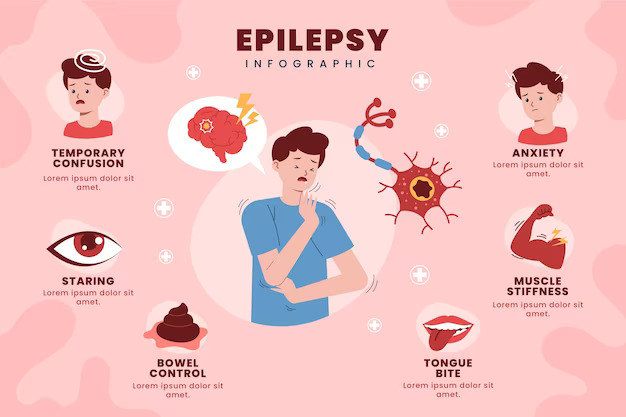
Epilepsy is a neurological condition characterized by recurrent seizures caused by abnormal electrical activity in the brain. While modern medicine often focuses on controlling seizures through medication, Ayurveda offers a deeper, holistic perspective—one that seeks to restore balance to the body, mind, and nervous system rather than managing symptoms alone.
Ayurveda views epilepsy as a disorder of disrupted neural harmony influenced by physical, emotional, and energetic imbalances. This ancient system emphasizes root-cause healing, lifestyle correction, and long-term resilience.
Understanding Epilepsy Through Ayurveda
In Ayurveda, epilepsy is described as Apasmara, a condition arising from the imbalance of the three doshas—Vata, Pitta, and Kapha, with Vata playing a dominant role. Vata governs the nervous system, movement, and brain signaling. When aggravated due to stress, trauma, improper diet, or toxins, it can disturb normal neural communication, resulting in seizures.
Ayurveda also recognizes the influence of mental stress (Manas), suppressed emotions, poor digestion (Agni imbalance), and toxin accumulation (Ama) as contributing factors.
Core Ayurvedic Principles for Epilepsy Management
1. Dosha Balancing for Nervous System Stability
Ayurvedic treatment focuses on calming aggravated Vata and stabilizing Pitta through personalized therapies. This is achieved using:
- Snehana (oil therapies) to nourish nerve tissues
- Swedana (mild sudation) to improve circulation and detoxification
- Herbal formulations such as Brahmi, Shankhapushpi, Ashwagandha, and Vacha, known for their neuroprotective and calming properties
These remedies help enhance cognitive clarity, reduce seizure frequency, and strengthen the nervous system.
2. Panchakarma Detoxification
Detoxification is essential in Ayurveda to remove accumulated toxins that disturb brain function. Select Panchakarma therapies may include:
- Nasya (nasal therapy) to clear brain channels
- Abhyanga (therapeutic oil massage) to calm neural impulses
- Shirodhara to deeply relax the mind and stabilize brain waves
These therapies are carefully customized based on the individual’s constitution and condition.
3. Marma Therapy & Energy Regulation
Marma therapy focuses on stimulating vital energy points that regulate neurological and energetic pathways. Gentle activation of specific marma points supports neuroplasticity, reduces hypersensitivity of neural circuits, and promotes inner balance.
This approach is particularly beneficial for epilepsy triggered by emotional stress or trauma.
4. Sound Healing & Vibrational Support
Ayurveda recognizes sound as a powerful healing force. Therapeutic sound frequencies and mantra-based healing can help regulate disrupted brain rhythms and calm the subconscious mind. These vibrations act at a cellular and energetic level, supporting emotional resilience and mental stability.
5. Counseling & Mind-Body Integration
Ayurvedic epilepsy care integrates emotional counseling, mindfulness, pranayama, and meditation. These practices:
- Reduce stress triggers
- Improve emotional regulation
- Enhance self-awareness and resilience
Since stress and suppressed emotions are common seizure triggers, mind-body integration plays a vital role in long-term management.
Diet & Lifestyle: The Foundation of Healing
Ayurveda emphasizes a sattvic (pure and nourishing) diet, avoiding stimulants, processed foods, and irregular eating patterns. Warm, easily digestible foods, adequate sleep, daily routines, and gentle yoga help stabilize the nervous system and support brain health.
A Holistic Path Forward
Epilepsy the Ayurvedic way is not about replacing modern care but complementing it with deeper healing principles. By addressing physical imbalances, emotional patterns, digestion, and lifestyle, Ayurveda empowers individuals to live with greater stability, clarity, and confidence.
At holistic wellness centers like Jeevalaya, integrative Ayurvedic care combines traditional wisdom with modern understanding—guiding individuals toward sustained neurological harmony and improved quality of life.
Conclusion
Ayurveda offers a compassionate, personalized, and holistic pathway for epilepsy management. By restoring balance to the nervous system and nurturing the mind-body connection, it transforms epilepsy care from symptom control into a journey of healing, awareness, and long-term wellbeing.
External link – https://en.wikipedia.org/wiki/Ayurveda
Internal link – https://jeevalaya.co.in/ayurvedic-self-care-rituals-for-mental-well-being/