

How Stress Affects Gut Health: Understanding the Mind–Gut Connection for Holistic Healing
At Jeevalaya, healing is rooted in the understanding that the body and mind are deeply interconnected. The ancient Sanskrit inspiration behind the name — Jiva, meaning “living being,” and Alaya, meaning “temple” — reflects a philosophy of honoring the body as a sacred whole. True healing, therefore, goes beyond treating symptoms and instead addresses the deeper connections between mental, emotional, and physical health.
One of the most powerful examples of this connection is the relationship between stress and gut health.
The Mind–Gut Axis: A Two-Way Communication Highway
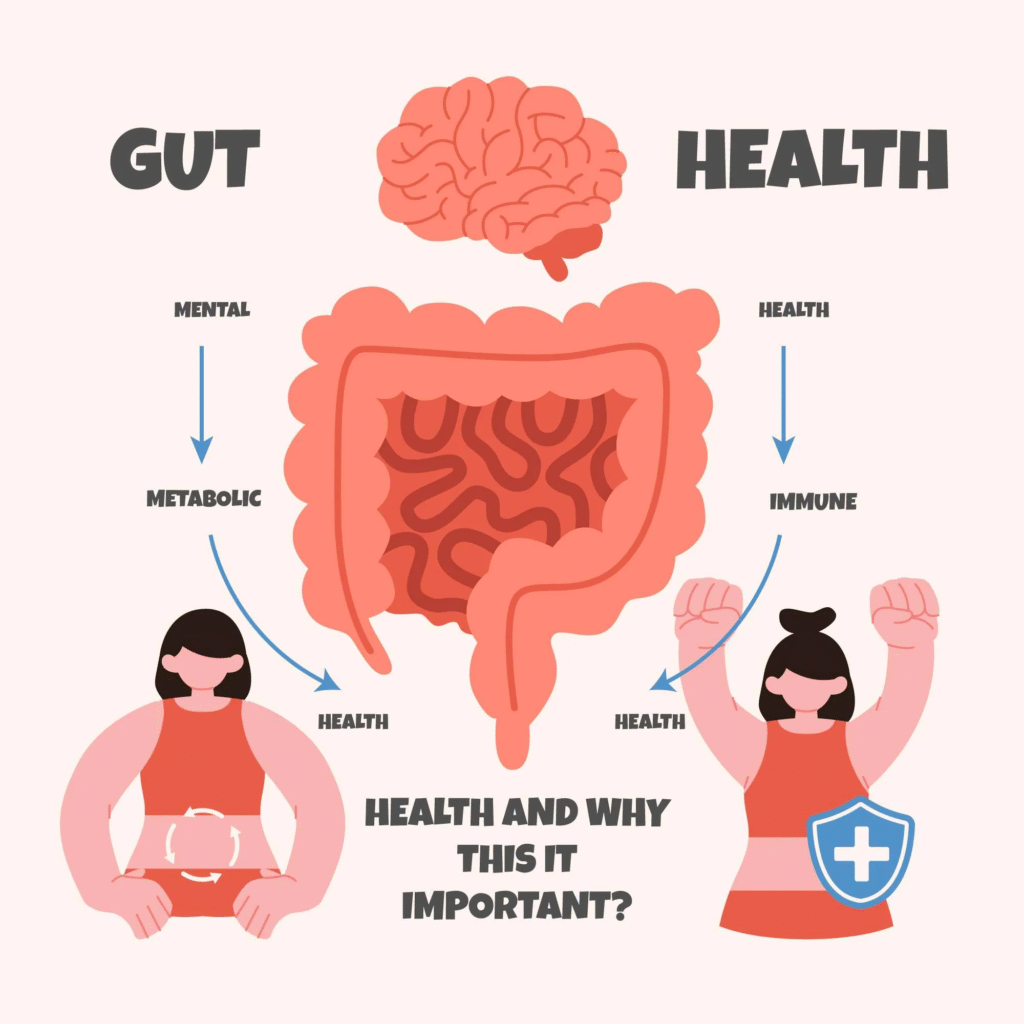
Modern science now confirms what Ayurveda and other holistic traditions have long understood — the gut–brain axis is a complex, two-way communication system linking the brain and the digestive tract. This network involves the central nervous system, the enteric nervous system (often called the gut’s “second brain”), the vagus nerve, stress hormones, immune messengers, and trillions of gut microbes.
When the mind experiences stress, anxiety, or emotional strain, signals travel rapidly from the brain to the gut. This is why stress rarely stays “in the head” — it often shows up as digestive discomfort, irregular bowel movements, or chronic gut issues.
How Stress Physically Impacts Your Gut
Stress causes real, measurable changes in digestive function:
🧠 1. Fight-or-Flight Disrupts Digestion
When stress activates the fight-or-flight response, blood flow is redirected away from digestion toward the muscles and brain. This slows digestive processes, often leading to bloating, gas, heaviness, and indigestion.
🧬 2. Stress Hormones Alter Gut Function
Hormones like cortisol and adrenaline affect how the gut contracts and releases digestive enzymes. As a result, digestion may become too fast or too slow, contributing to diarrhea, constipation, or abdominal discomfort.
🦠 3. Microbiome Imbalance
Chronic stress disrupts the balance of beneficial gut bacteria, a condition known as dysbiosis. An imbalanced microbiome weakens digestion, increases inflammation, and compromises gut lining integrity.
🧪 4. Heightened Gut Sensitivity
Stress increases nerve sensitivity in the gut, making normal digestive sensations feel painful. This explains why conditions like Irritable Bowel Syndrome (IBS) often worsen during emotionally stressful periods.
Signs Stress May Be Affecting Your Gut
You may notice symptoms that don’t seem related to diet alone, such as:
- Persistent bloating
- Irregular bowel movements
- Sudden diarrhea or constipation
- Heartburn or nausea
- Abdominal cramps
If these symptoms intensify during stressful phases, the mind–gut connection is likely involved.
Holistic Ways to Support the Mind–Gut Connection
At Jeevalaya, healing focuses on restoring balance across mind and body:
🧘♀️ Mind–Body Practices
Meditation, breathwork, yoga, and mindfulness calm the nervous system, helping the body shift from fight-or-flight to rest-and-digest mode.
🥦 Nourishing Food Choices
Whole foods, fiber-rich meals, and fermented foods nourish beneficial gut bacteria and support digestive strength.
😴 Rest and Recovery
Quality sleep regulates stress hormones and promotes microbiome diversity, both essential for gut health.
💬 Emotional & Mental Support
Counseling and therapeutic support address chronic stress at its root — aligning with Jeevalaya’s Manashanti (Mental Wellness) philosophy.
In Summary
Stress does not stay confined to the mind. Through the gut–brain axis, it influences digestion, microbiome balance, immunity, and emotional health. By addressing stress holistically — through mindful living, emotional care, and gut-supportive habits — harmony can be restored throughout the body.
This integrated approach reflects the heart of Jeevalaya’s healing philosophy: nurturing the whole being, where mind and body heal together.
Jeevalaya, Nakshatras, Jeevalaya Bangalore, JeevalayaRetreatCentre, JeevalayaWhitefield, MentalWellness, PropertyHealing, AyurvedaHealing,Counseling,MedicalAstrology
External link – https://en.wikipedia.org/wiki/Ayurveda
Internal link – https://jeevalaya.co.in/ayurvedic-self-care-rituals-for-mental-well-being/