

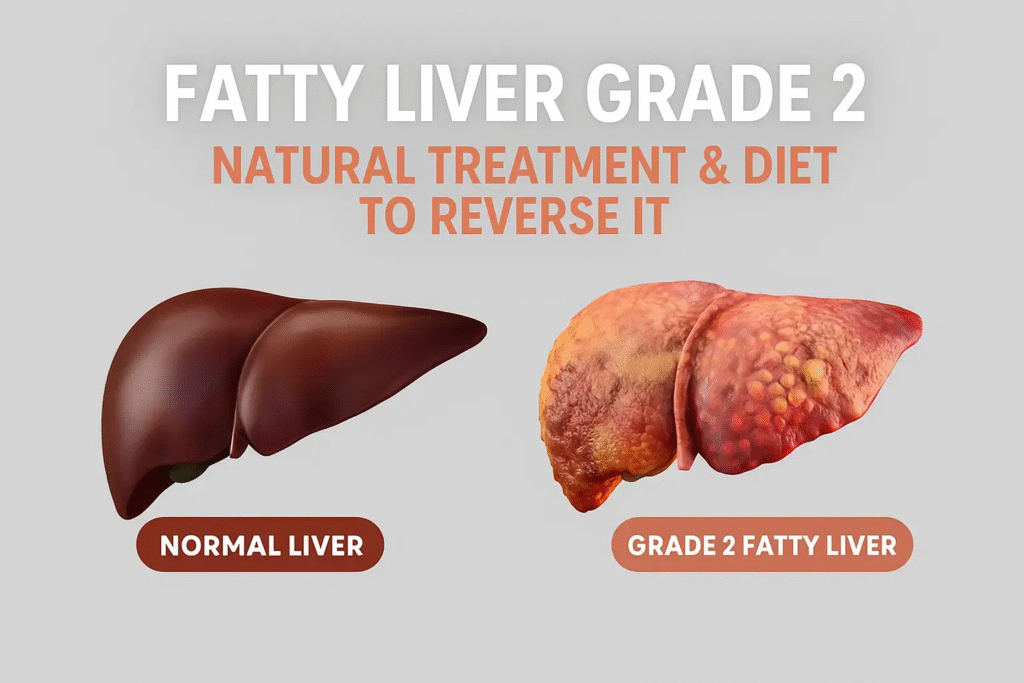
Understanding Liver Grade II Fatty Liver
Liver Grade II Fatty Liver, clinically known as hepatic steatosis, is a moderate stage of fat accumulation in liver cells. Unlike Grade I, where fat deposition is mild, Grade II indicates a more significant buildup that can affect liver function if left unaddressed. At this stage, liver health is at a crossroads, making early intervention crucial to prevent progression toward severe conditions like Non-Alcoholic Steatohepatitis (NASH), Grade III fatty liver, or cirrhosis.
Fatty liver is often asymptomatic in the early stages, but some individuals may notice:
- Fatigue or low energy levels
- Mild discomfort or heaviness in the upper right abdomen
- Slight liver enlargement detectable during medical imaging
These subtle signs indicate that the liver is under stress and requires immediate attention to restore optimal function.
Causes and Risk Factors
Grade II fatty liver commonly results from a combination of lifestyle and metabolic factors, including:
- High-fat or sugar-rich diet: Excess calories are converted into fat stored in the liver
- Sedentary lifestyle: Limited physical activity slows metabolism and fat breakdown
- Obesity or rapid weight gain: Increased abdominal fat directly impacts liver health
- Past liver conditions: Recurrent jaundice or incomplete recovery from hepatitis may predispose the liver to fat accumulation
- Insulin resistance or metabolic syndrome: These conditions impair the liver’s ability to process fat efficiently
Understanding these factors helps individuals and their families commit to the necessary lifestyle adjustments for recovery.
Symptoms to Watch For
At Grade II, symptoms can be minimal or vague. Patients may experience:
- Tiredness after light activity
- Occasional abdominal discomfort or bloating
- Mild tenderness in the upper right quadrant
- Subtle weight fluctuations
Even with minor symptoms, Grade II fatty liver is an early warning that calls for proactive intervention to prevent irreversible damage.
Management and Treatment Approaches
Team Jeevalaya emphasizes a structured approach that combines medical guidance, lifestyle modification, and family support. The journey from Grade II to Grade I typically spans 2–3 months with disciplined care.
Lifestyle and Dietary Strategies
- Balanced diet: Focus on fiber-rich foods, fresh vegetables, fruits, and lean proteins
- Reduced fat and sugar intake: Minimize processed and fried foods
- Hydration: Adequate water intake supports liver detoxification
Physical Activity
- Moderate-intensity exercises like brisk walking, swimming, or yoga help burn excess fat and improve metabolism
- Strength training improves insulin sensitivity and liver fat metabolism
Holistic and Supportive Interventions at Jeevalaya
- Personalized health assessments: Understanding individual liver function and risk factors
- Family involvement: Education and support for the patient’s home environment
- Follow-up monitoring: Regular ultrasounds or liver function tests to track progress
Why Early Action Matters
Ignoring Grade II fatty liver can lead to irreversible liver damage over time. Early action ensures:
- Prevention of progression to Grade III or NASH
- Improved overall energy and metabolism
- Better long-term liver function
- Reduced risk of complications like cirrhosis or liver failure
At Jeevalaya, patients are guided through a structured, evidence-informed approach that prioritizes both medical oversight and lifestyle alignment for lasting liver health.
Conclusion
Liver Grade II Fatty Liver is a manageable and reversible condition when addressed early with a combination of lifestyle changes, diet, physical activity, and expert guidance. Jeevalaya’s integrated approach ensures patients understand their journey, gain family support, and achieve tangible results within 2–3 months.
Early intervention isn’t just recommended—it’s essential for protecting your liver, enhancing energy, and preventing future complications. Take the first step today towards a healthier liver and a vibrant life.
Liver Grade II Fatty Liver is a moderate stage of fat accumulation in the liver that can still be reversed with timely action. Although symptoms may be mild or unnoticed, early intervention through balanced nutrition, regular physical activity, and disciplined lifestyle changes is crucial to prevent progression to Grade III, NASH, or cirrhosis. At Jeevalaya, a guided 2–3 month holistic journey—supported by family awareness and structured care—helps individuals move from Grade II to Grade I, restoring liver health and long-term wellbeing.
External link – https://en.wikipedia.org/wiki/Ayurveda
Internal link – https://jeevalaya.co.in/ayurvedic-self-care-rituals-for-mental-well-being/