

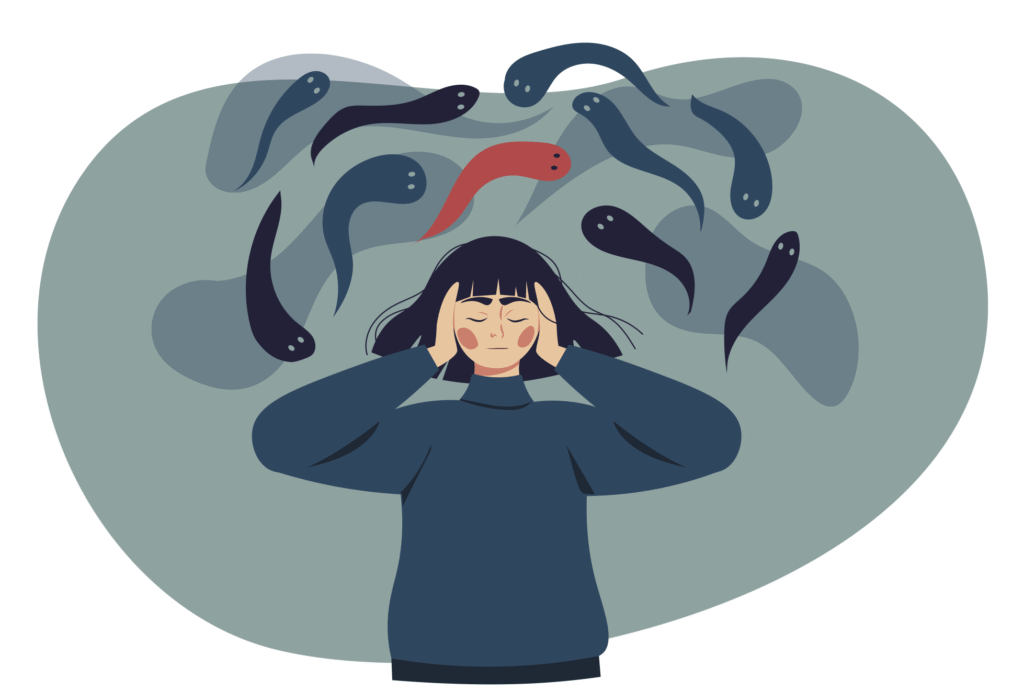
It is common for many women to experience emotional changes before or during their menstrual cycle. Mild anxiety, irritability, or mood swings often occur due to natural hormonal fluctuations. However, when anxiety becomes intense, persistent, or begins to interfere with daily life, it may signal the need for professional medical support. Knowing when to see a doctor for anxiety related to periods is essential for protecting both mental and hormonal health.
Understanding Period-Related Anxiety
Menstrual anxiety is often linked to changes in estrogen and progesterone, hormones that influence brain chemicals such as serotonin and GABA. These hormonal shifts can temporarily increase stress sensitivity, leading to nervousness, restlessness, or emotional overwhelm. In many cases, symptoms are mild and resolve once menstruation begins.
However, for some women, anxiety becomes severe or unpredictable, signaling an underlying condition that requires medical evaluation.
Signs That Period-Related Anxiety May Need Medical Attention
You should consider seeing a doctor if you experience any of the following:
- Anxiety that disrupts daily life: Difficulty working, studying, or maintaining relationships due to premenstrual anxiety
- Symptoms lasting most of the month: Anxiety that extends beyond the premenstrual phase
- Severe emotional symptoms: Panic attacks, intense irritability, hopelessness, or emotional outbursts
- Sleep disturbances: Ongoing insomnia or frequent nighttime anxiety around your cycle
- Physical symptoms linked to anxiety: Palpitations, dizziness, shortness of breath, or digestive distress
- Worsening symptoms over time: Anxiety that becomes stronger or longer-lasting with each cycle
These signs may indicate premenstrual dysphoric disorder (PMDD) or another hormone-related mental health condition rather than typical PMS anxiety.
Difference Between PMS Anxiety and PMDD
While PMS anxiety is usually mild and manageable with lifestyle changes, PMDD is a severe condition that significantly affects emotional wellbeing. PMDD symptoms typically appear during the luteal phase and disappear shortly after menstruation begins, but they are intense enough to interfere with daily functioning.
If anxiety feels overwhelming or unmanageable each month, medical evaluation is strongly recommended.
How a Doctor Can Help
A healthcare provider can help identify the cause of menstrual-related anxiety through:
- Detailed symptom history: Tracking emotional and physical symptoms across cycles
- Hormonal assessment: Evaluating possible hormonal imbalances
- Mental health screening: Identifying anxiety disorders or mood disorders
- Personalized treatment plan: This may include therapy, lifestyle guidance, hormonal support, or medication when necessary
Early medical intervention can prevent anxiety from worsening and improve long-term emotional health.
When Lifestyle Changes Are Not Enough
Natural strategies such as exercise, mindfulness, balanced nutrition, and sleep improvement are effective for many women. However, if these approaches do not relieve symptoms after several cycles, professional guidance becomes essential.
Ignoring persistent menstrual anxiety can increase emotional distress and reduce quality of life. Seeking help is a proactive step, not a sign of weakness.
Preparing for a Doctor’s Visit
Before your appointment, keep a menstrual and mood diary for at least two to three cycles. Note anxiety levels, emotional changes, sleep patterns, and physical symptoms. This information helps doctors make accurate diagnoses and recommend effective treatments.
Conclusion
While mild anxiety around periods is common, you should see a doctor if anxiety becomes severe, persistent, or interferes with daily life. Conditions like PMDD and hormone-related anxiety disorders are treatable with the right support. Seeking medical help early can lead to better emotional balance, improved menstrual health, and a higher quality of life. Listening to your body and mind is the first step toward lasting wellbeing.Mild anxiety around periods is common due to hormonal changes, but you should see a doctor if anxiety becomes severe, persistent, or interferes with daily life. Warning signs include panic attacks, sleep disturbances, emotional overwhelm, symptoms lasting most of the month, or worsening anxiety with each cycle. Conditions like PMS anxiety and PMDD are treatable, and early medical support can help restore emotional balance and improve overall wellbeing.#jeevalaya #nakshatras #jeevalaya bangalore #jeevalaya retreat centre #jeevalaya whitefield #mental wellness #property healing #Ayurveda #Counseling #Medical astrology
External link – https://en.wikipedia.org/wiki/Ayurveda
Internal link – https://jeevalaya.co.in/ayurvedic-self-care-rituals-for-mental-well-being/