
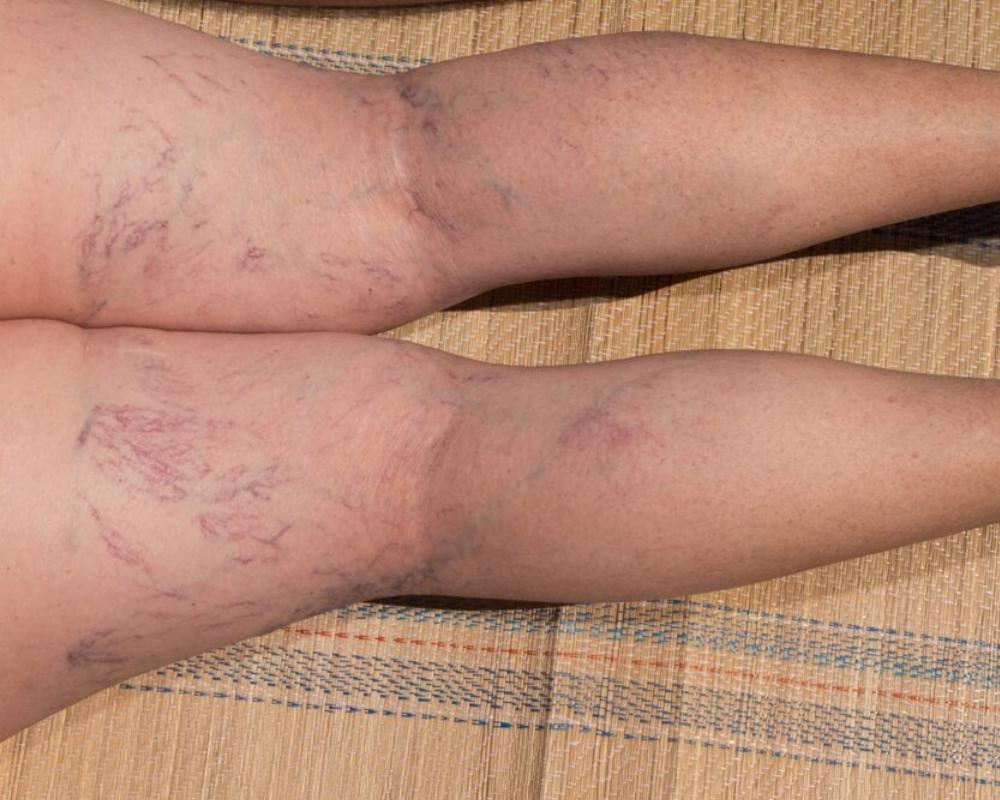
Varicose veins are a common circulatory condition that often begins silently but can progress into a painful and chronic problem if ignored. While many people notice varicose veins as bulging, twisted veins on the legs, the condition involves much more than appearance. Recognizing the symptoms of varicose veins you should not ignore is crucial for preventing complications and maintaining long-term vein health.
What Are Varicose Veins?
Varicose veins occur when the one-way valves inside veins become weak or damaged. These valves normally help blood flow back to the heart. When they fail, blood pools in the veins, causing them to enlarge, twist, and become visible beneath the skin. The legs are most affected due to gravity and prolonged standing or sitting.
Early Symptoms You Should Pay Attention To
In the early stages, symptoms may be subtle and easily dismissed. Common early warning signs include:
- Leg heaviness or fatigue, especially after long periods of standing
- Mild swelling in the ankles or feet by the end of the day
- Aching or throbbing pain in the legs
- Itching or irritation around the affected veins
- Visible spider veins, which may progress to larger varicose veins
These symptoms often worsen after prolonged inactivity and improve with rest or leg elevation.
Progressive Symptoms That Signal Worsening Condition
As varicose veins progress, symptoms may become more frequent and intense. Warning signs include:
- Persistent leg pain or burning sensation
- Muscle cramps, especially at night
- Restlessness or discomfort in the legs
- Skin tightness or tenderness around veins
- Increased swelling that does not subside easily
Ignoring these signs may lead to more severe complications.
Skin Changes You Should Not Ignore
Advanced varicose veins can cause noticeable skin changes, including:
- Darkening or discoloration of the skin, especially around the ankles
- Dry, scaly, or itchy skin
- Hardening or thickening of the skin due to chronic inflammation
These changes indicate poor circulation and require medical attention.
Serious Symptoms That Need Immediate Care
In some cases, varicose veins can lead to serious complications. Seek medical advice if you experience:
- Open sores or ulcers near the ankles that heal slowly
- Sudden swelling, warmth, or redness, which may indicate a blood clot
- Bleeding from a vein, even after minor injury
These symptoms suggest advanced venous disease and should not be ignored.
Why Ignoring Symptoms Is Risky
Left untreated, varicose veins can progress into chronic venous insufficiency, a condition where blood circulation is severely impaired. This can lead to persistent pain, recurrent infections, reduced mobility, and decreased quality of life.
Who Is Most at Risk?
Certain individuals are more prone to developing symptoms, including:
- People with sedentary or standing-intensive jobs
- Individuals with a family history of vein disease
- Pregnant women and older adults
- People who are overweight or physically inactive
Understanding your risk helps with early intervention.
What You Can Do Early
Managing symptoms early can prevent worsening. Helpful steps include:
- Staying physically active to improve circulation
- Elevating legs regularly
- Avoiding long periods of standing or sitting
- Maintaining a healthy body weight
- Wearing compression stockings if recommended
Conclusion
Symptoms of varicose veins should never be ignored, even if they seem mild at first. Early signs such as leg heaviness, swelling, and visible veins often indicate underlying circulation problems. Timely recognition and proper care can prevent complications and support long-term vein health. If symptoms persist or worsen, consulting a healthcare professional is essential for effective management.#jeevalaya #nakshatras #jeevalaya bangalore #jeevalaya retreat centre #jeevalaya whitefield #mental wellness #property healing #Ayurveda #Counseling #Medical astrology
External link – https://en.wikipedia.org/wiki/Ayurveda
Internal link – https://jeevalaya.co.in/ayurvedic-self-care-rituals-for-mental-well-being/