

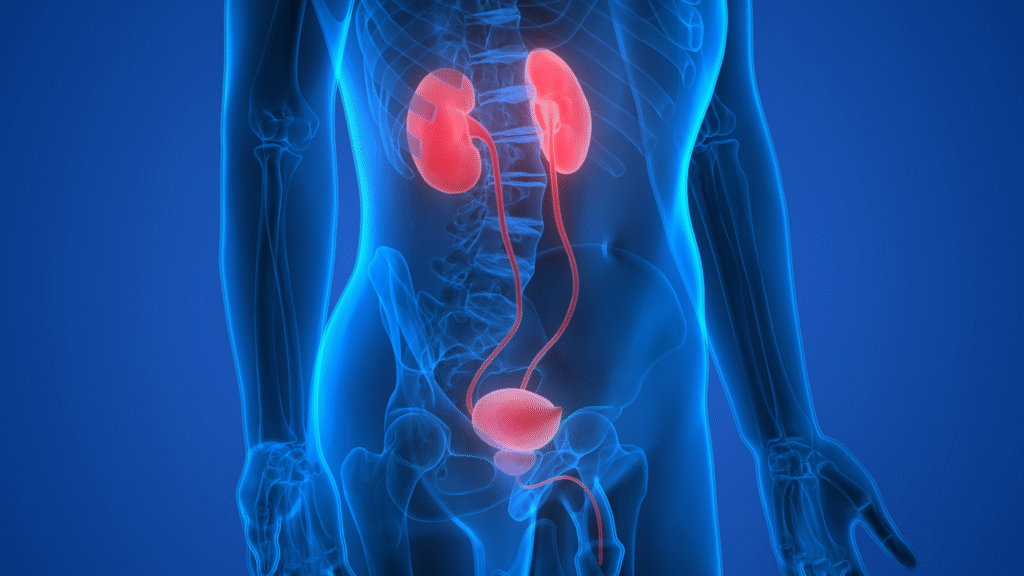
Urology in Ayurveda is a specialized field that focuses on maintaining and restoring urinary health through holistic methods. Unlike conventional medicine, which often relies on medications or surgical interventions, Ayurveda emphasizes natural remedies, lifestyle modifications, diet, and herbal therapies to support the urinary system, improve kidney function, and prevent urinary disorders.
Understanding Urology in Ayurveda
In Ayurveda, the urinary system, including the kidneys, bladder, ureters, and urethra, is closely linked to the balance of doshas—Vata, Pitta, and Kapha. Imbalances in these energies can lead to urinary problems such as infections, kidney stones, frequent urination, or urinary retention. Ayurvedic urology focuses on identifying the root cause of urinary issues rather than merely treating symptoms, promoting long-term wellness and prevention.
Common Urinary Issues Addressed in Ayurvedic Urology
Ayurvedic practitioners treat a wide range of urinary problems, including:
- Urinary Tract Infections (UTIs): Caused by Pitta imbalance leading to inflammation and burning sensations during urination.
- Kidney Stones: Excess Kapha or improper diet may contribute to stone formation, which Ayurveda manages through diet, herbs, and detoxification techniques.
- Frequent or Urgent Urination: Often linked to Vata imbalance, leading to overactivity or irregularity in the urinary system.
- Urinary Retention: Difficulty in passing urine due to weakened muscles or imbalances in doshas.
Holistic Approach in Ayurvedic Urology
Ayurveda takes a whole-body approach to urinary health, considering lifestyle, diet, mental state, and natural therapies. Key aspects include:
- Dietary Recommendations:
- Emphasis on fresh, light, and easily digestible foods
- Reduction of excessive salt, spices, and processed foods
- Hydration with warm water and herbal teas for kidney support
- Herbal Remedies:
- Herbs like Punarnava, Gokshura, Varuna, and Chandraprabha are commonly used to strengthen kidneys, reduce inflammation, and support urinary flow.
- Natural diuretics and detoxifiers help maintain urinary tract health.
- Lifestyle Modifications:
- Regular exercise to improve metabolism and blood circulation
- Yoga and pranayama to balance doshas and reduce stress
- Avoidance of prolonged holding of urine and unhealthy habits that affect urinary function
- Detoxification Therapies (Panchakarma):
- Ayurvedic detox treatments like Basti (medicated enemas) and Virechana (purgation therapy) help remove toxins (ama) that may contribute to urinary disorders.
- Mind-Body Balance:
- Stress and emotional imbalance can impact urinary health. Ayurveda integrates meditation, mindfulness, and stress management techniques to support overall well-being.
Preventive Measures for Urinary Health
Ayurveda emphasizes prevention as the best cure. Simple practices for maintaining urinary health include:
- Drinking sufficient warm water throughout the day
- Following a balanced, dosha-appropriate diet
- Maintaining proper hygiene
- Practicing regular physical activity and yoga
- Monitoring urinary habits and promptly addressing discomfort
Conclusion
Urology in Ayurveda offers a holistic, natural approach to urinary health, focusing on root causes, balance of doshas, and overall well-being. Through herbal remedies, dietary adjustments, lifestyle modifications, and detoxification therapies, Ayurveda supports kidney function, prevents urinary disorders, and promotes long-term health. Whether addressing kidney stones, UTIs, or frequent urination, Ayurvedic urology provides a safe, personalized, and effective path to urinary system wellness, complementing modern medicine for comprehensive care.Urology in Ayurveda is a holistic approach to maintaining and restoring urinary health by addressing the root causes of disorders rather than just treating symptoms. In Ayurvedic practice, the urinary system—including kidneys, bladder, ureters, and urethra—is closely linked to the balance of the three doshas: Vata, Pitta, and Kapha. Imbalances in these energies can lead to a variety of urinary issues such as urinary tract infections, kidney stones, frequent urination, urinary retention, and inflammation.
Ayurvedic urology emphasizes a whole-body approach, integrating natural remedies, diet, lifestyle modifications, and mind-body balance. Herbal medicines such as Punarnava, Gokshura, Varuna, and Chandraprabha are used to strengthen kidney function, improve urinary flow, and reduce inflammation. Dietary guidance encourages fresh, easily digestible foods, adequate hydration, and avoidance of excessive salt, spices, and processed foods. Lifestyle practices, including yoga, pranayama, and regular physical activity, support dosha balance and enhance overall well-being. Detoxification therapies like Panchakarma, which include Basti (medicated enemas) and Virechana (purgation therapy), help remove toxins that may contribute to urinary disorders.
Preventive measures play a key role in Ayurvedic urology. Maintaining hydration, practicing good hygiene, following a dosha-appropriate diet, and addressing stress through meditation and mindfulness can significantly reduce the risk of urinary problems. Ayurveda also highlights the connection between emotional health and urinary wellness, acknowledging that stress and mental imbalance can directly impact the urinary system.#jeevalaya #nakshatras #jeevalaya bangalore #jeevalaya retreat centre #jeevalaya whitefield #mental wellness #property healing #Ayurveda #Counseling #Medical astrology
External link – https://en.wikipedia.org/wiki/Ayurveda
Internal link – https://jeevalaya.co.in/ayurvedic-self-care-rituals-for-mental-well-being/