

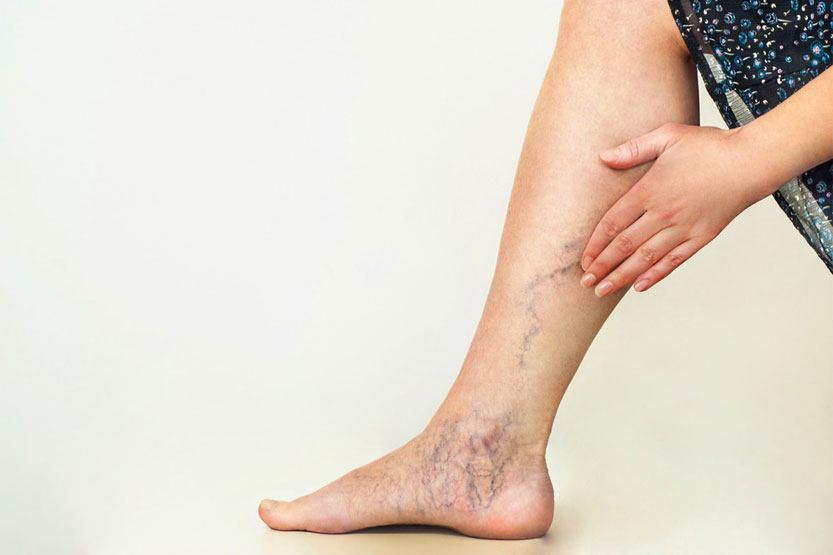
Varicose veins are significantly more common in women than in men, often appearing during key hormonal phases such as pregnancy, menopause, or while using hormonal medications. Characterized by swollen, twisted, and visible veins, varicose veins are more than a cosmetic concern—they often signal underlying circulation issues. Understanding how pregnancy and hormonal changes contribute to varicose veins can help women take early preventive measures and protect long-term vein health.
Why Are Varicose Veins More Common in Women?
Women experience unique hormonal fluctuations throughout life. Hormones like estrogen and progesterone influence the elasticity of vein walls. When these hormones rise or fluctuate significantly, veins can relax and lose tone, making it harder for blood to flow upward toward the heart. This increases pressure in the veins and contributes to varicose vein formation.
Additionally, pregnancy introduces physical and circulatory changes that further strain the venous system.
How Pregnancy Causes Varicose Veins
Pregnancy is one of the most common triggers for varicose veins in women. Several pregnancy-related factors contribute to this condition:
Increased Blood Volume
During pregnancy, the body produces more blood to support the growing baby. This increased volume places additional pressure on the veins, especially in the legs.
Hormonal Relaxation of Veins
Higher levels of progesterone during pregnancy cause veins to relax. While this helps accommodate increased blood flow, it also weakens vein valves, allowing blood to pool.
Growing Uterus Pressure
As the uterus expands, it places pressure on the pelvic veins and inferior vena cava, the main vein carrying blood from the legs to the heart. This slows blood return and increases leg vein pressure.
Reduced Physical Activity
Fatigue and physical discomfort during pregnancy may reduce movement, further slowing circulation in the legs.
Although pregnancy-related varicose veins may improve after delivery, they can persist or worsen with subsequent pregnancies.
Hormonal Changes Beyond Pregnancy
Hormonal fluctuations at different life stages also affect vein health:
Puberty and Menstrual Cycles
Hormonal shifts during puberty and menstruation can temporarily affect vein tone, particularly in women with a genetic predisposition.
Use of Hormonal Contraceptives
Birth control pills containing estrogen and progesterone may increase the risk of varicose veins by affecting blood clotting and vein elasticity.
Menopause
During menopause, declining estrogen levels weaken vein walls, increasing the risk of circulation problems and varicose veins.
Common Symptoms in Women
Women with varicose veins may experience:
- Aching or heaviness in the legs
- Swelling in the ankles or feet
- Burning, itching, or throbbing sensations
- Muscle cramps, especially at night
- Skin discoloration around veins
Symptoms often worsen during pregnancy or before menstruation due to hormonal fluctuations.
Who Is at Higher Risk?
Women are at higher risk if they:
- Have multiple pregnancies
- Have a family history of varicose veins
- Are overweight
- Have jobs requiring prolonged standing or sitting
- Lead a sedentary lifestyle
Preventive Measures for Women
While hormonal changes cannot be avoided, women can reduce their risk by:
- Staying physically active
- Elevating legs regularly
- Avoiding prolonged standing or sitting
- Maintaining a healthy weight
- Wearing compression stockings during pregnancy if recommended
When to Seek Medical Advice
Medical evaluation is recommended if varicose veins cause pain, swelling, skin changes, or ulcers. Early consultation helps prevent complications and ensures appropriate management.
Conclusion
Varicose veins in women are closely linked to pregnancy and hormonal changes that effect mentally and physically. While these factors increase risk, early awareness and proactive care can help manage symptoms and prevent progression. Understanding the unique challenges women face empowers them to protect their vein health throughout different life stages.#jeevalaya #nakshatras #jeevalaya bangalore #jeevalaya retreat centre #jeevalaya whitefield #mental wellness #property healing #Ayurveda #Counseling #Medical astrology
External link – https://en.wikipedia.org/wiki/Ayurveda
Internal link – https://jeevalaya.co.in/ayurvedic-self-care-rituals-for-mental-well-being/