
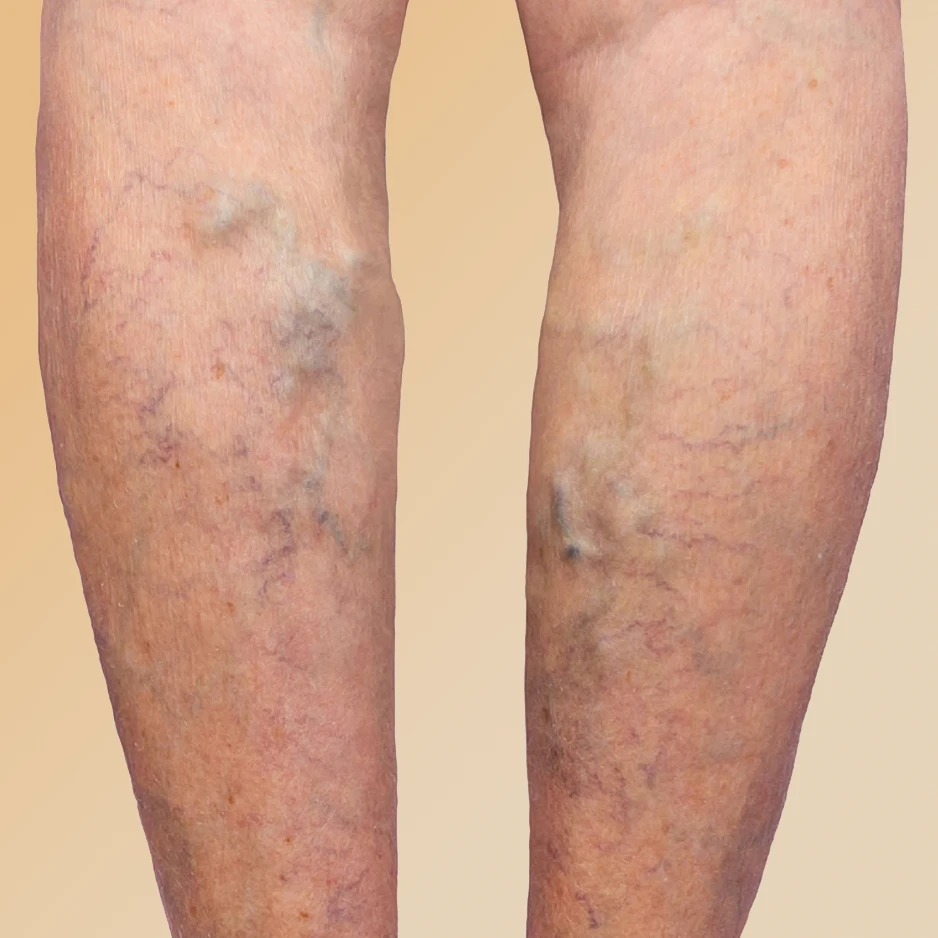
Varicose veins and spider veins are two common vein conditions that often confuse people because they both affect the appearance of the legs. While they may look similar, understanding the key differences between varicose veins and spider veins is essential for proper care, treatment, and prevention.
What Are Varicose Veins?
Varicose veins are enlarged, twisted veins that typically appear blue or dark purple and bulge above the skin’s surface. They usually occur in the legs due to increased pressure in the veins and weakened vein valves, which cause blood to pool.
Common Symptoms of Varicose Veins:
- Swollen, bulging veins that are visible under the skin
- Aching, throbbing, or heavy legs
- Swelling in ankles or feet
- Burning or itching around affected veins
- Muscle cramps, especially at night
Varicose veins can worsen over time and, in some cases, may lead to serious complications such as ulcers or blood clots.
What Are Spider Veins?
Spider veins, also called telangiectasias, are smaller, thin veins that appear close to the skin’s surface. They are usually red, blue, or purple and form a web-like or branching pattern. Spider veins are often cosmetic, but they can sometimes cause mild discomfort or itching.
Common Symptoms of Spider Veins:
- Small, thread-like red or blue veins
- Mild aching or burning in some cases
- No significant swelling or bulging
Unlike varicose veins, spider veins rarely lead to serious health problems.
Key Differences Between Varicose Veins and Spider Veins
| Feature | Varicose Veins | Spider Veins |
|---|---|---|
| Appearance | Bulging, twisted, blue or dark purple | Flat, small, red, blue, or purple, web-like |
| Size | Larger, often >3mm in diameter | Small, usually <1mm in diameter |
| Symptoms | Pain, heaviness, swelling, cramping | Mild discomfort, usually cosmetic |
| Complications | Can lead to ulcers, bleeding, blood clots | Rarely causes serious health issues |
| Location | Usually on legs and feet | Legs, face, or other areas |
| Treatment | Medical procedures like sclerotherapy, laser therapy, or surgery | Often treated for cosmetic reasons via laser or sclerotherapy |
Causes and Risk Factors
Both varicose veins and spider veins share similar risk factors, but the severity differs:
- Genetics: Family history increases risk for both conditions
- Age: Vein elasticity decreases over time
- Hormonal Changes: Pregnancy, menopause, or hormonal therapy affect veins
- Lifestyle Factors: Prolonged standing or sitting, obesity, and lack of exercise
- Sun Exposure: Contributes to spider veins, especially on the face
Treatment Options
Varicose Veins: Medical evaluation is often recommended for symptomatic cases. Treatments include compression therapy, sclerotherapy, laser therapy, and, in severe cases, surgical interventions.
Spider Veins: These are often treated for cosmetic purposes. Common treatments include sclerotherapy, laser therapy, and topical interventions. Lifestyle changes, such as exercise and leg elevation, may also prevent progression.
Prevention Tips for Healthy Veins
- Regular exercise to improve circulation
- Avoid prolonged standing or sitting
- Maintain a healthy weight
- Wear compression stockings if recommended
- Elevate legs when resting
- Limit sun exposure to reduce facial spider veins
Conclusion
While varicose veins and spider veins may appear similar, they differ in size, symptoms, and potential health risks. Understanding these differences allows for proper management, timely treatment, and preventive care. Early intervention and healthy lifestyle practices can maintain vein health, reduce discomfort, and improve the appearance of your legs.#jeevalaya #nakshatras #jeevalaya bangalore #jeevalaya retreat centre #jeevalaya whitefield #mental wellness #property healing #Ayurveda #Counseling #Medical astrology
External link – https://en.wikipedia.org/wiki/Ayurveda
Internal link – https://jeevalaya.co.in/ayurvedic-self-care-rituals-for-mental-well-being/