
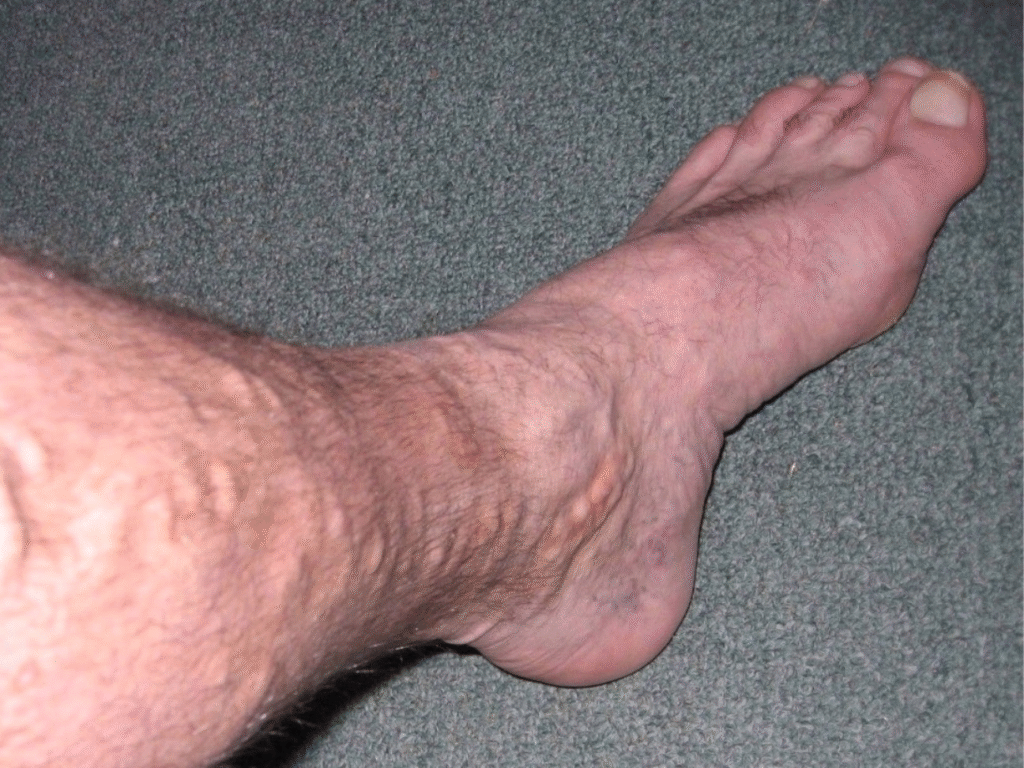
Varicose veins are a common vascular condition affecting millions of people worldwide. They are often recognized by their twisted, enlarged, and dark-colored veins, most commonly appearing on the legs and feet. While varicose veins may initially seem like a cosmetic concern, they can signal underlying circulation problems and may worsen if left untreated. Understanding the causes, symptoms, and early signs is essential for timely management and prevention of complications.
What Are Varicose Veins?
Varicose veins occur when veins become enlarged and overfilled with blood due to weak or damaged vein valves. Normally, veins carry blood back to the heart, assisted by one-way valves that prevent backward flow. When these valves fail, blood pools in the veins, causing them to stretch, twist, and become visible beneath the skin.
Although varicose veins can develop anywhere, they most commonly affect the legs because standing and walking increase pressure in the lower body veins.
Common Causes of Varicose Veins
Several factors contribute to the development of varicose veins:
- Poor circulation: Weak vein walls or faulty valves lead to blood pooling
- Prolonged standing or sitting: Jobs that require long hours of standing increase vein pressure
- Age: Veins lose elasticity over time, increasing the risk
- Genetics: A family history of varicose veins raises susceptibility
- Pregnancy: Increased blood volume and hormonal changes place extra strain on veins
- Obesity: Excess body weight increases pressure on leg veins
- Hormonal changes: Hormones can relax vein walls, affecting blood flow
Understanding these causes can help individuals identify risk factors early.
Symptoms of Varicose Veins
Varicose veins can present with both visible and physical symptoms. Common symptoms include:
- Bulging, twisted veins that appear blue or purple
- Aching, throbbing, or heavy sensation in the legs
- Swelling in the ankles or feet
- Burning, itching, or tingling around affected veins
- Muscle cramps, especially at night
- Pain that worsens after prolonged standing or sitting
In advanced cases, varicose veins may lead to skin discoloration, ulcers, or blood clots.
Early Signs You Should Not Ignore
Recognizing early signs can prevent progression:
- Mild swelling or heaviness in the legs
- Small spider veins forming near the surface
- Leg fatigue by the end of the day
- Skin itching or dryness around veins
Early intervention can reduce discomfort and prevent serious complications.
Who Is at Risk?
Varicose veins affect both men and women, but women are more prone due to hormonal factors. Individuals with sedentary lifestyles, long working hours on their feet, or a genetic predisposition are at higher risk.
Prevention and Early Management
While varicose veins cannot always be prevented, certain lifestyle changes can reduce risk:
- Regular physical activity to improve circulation
- Maintaining a healthy weight
- Avoiding prolonged standing or sitting
- Elevating legs when resting
- Wearing compression stockings if recommended
Early lifestyle interventions can slow disease progression and reduce symptoms.
When to Seek Medical Attention
Medical consultation is advised if varicose veins cause pain, swelling, skin changes, or ulcers. Early diagnosis allows for effective treatment options and prevents complications such as chronic venous insufficiency.
Conclusion
Varicose veins are more than a cosmetic issue—they are a sign of underlying circulation problems. Understanding the causes, symptoms, and early signs empowers individuals to seek timely care. With early intervention, lifestyle modifications, and appropriate treatment, varicose veins can be managed effectively, improving both comfort and long-term vascular health.Varicose veins are enlarged, twisted veins that usually appear on the legs due to weak or damaged vein valves that cause blood to pool. Common causes include poor circulation, prolonged standing or sitting, aging, genetics, pregnancy, obesity, and hormonal changes. Early signs may include leg heaviness, mild swelling, fatigue, itching, or small spider veins, while symptoms can progress to pain, swelling, and skin changes. Recognizing varicose veins early and making lifestyle changes can help prevent complications and improve vein health.#jeevalaya #nakshatras #jeevalaya bangalore #jeevalaya retreat centre #jeevalaya whitefield #mental wellness #property healing #Ayurveda #Counseling #Medical astrology
External link – https://en.wikipedia.org/wiki/Ayurveda
Internal link – https://jeevalaya.co.in/ayurvedic-self-care-rituals-for-mental-well-being/