

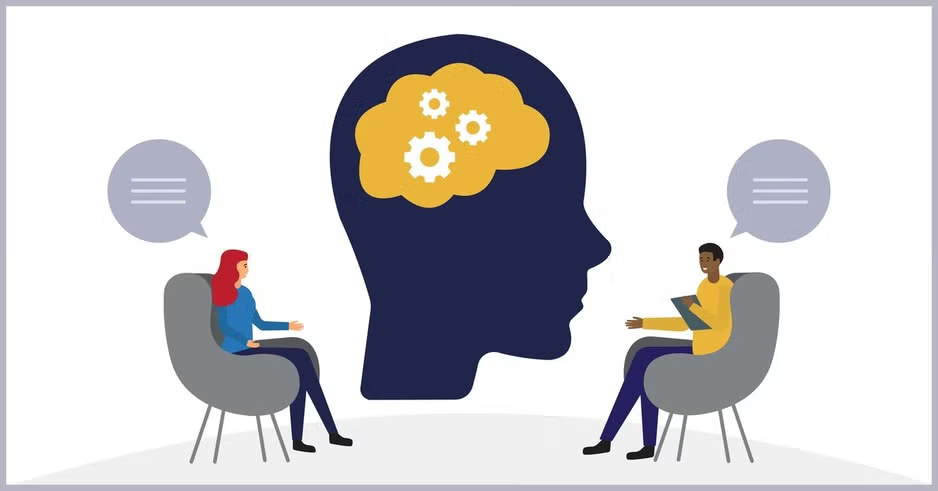
Counselling is a professional practice designed to help individuals navigate life challenges, cope with stress, and achieve emotional well-being. With increasing awareness of mental health, counselling has become an essential tool for personal growth, relationship improvement, and mental resilience. Understanding what counselling is, the types available, and the benefits it offers can empower people to seek the support they need.
What Is Counselling?
Counselling is a structured process in which a trained professional provides guidance, support, and strategies to help individuals address personal, emotional, or psychological concerns. Unlike casual advice from friends or family, counselling is evidence-based and tailored to each individual’s needs. It focuses on self-exploration, problem-solving, and developing coping mechanisms to improve mental health and overall life satisfaction.
Types of Counselling
Counselling comes in various forms, each addressing different issues. Some common types include:
1. Individual Counselling
This one-on-one approach helps individuals work through personal challenges, including stress, anxiety, depression, grief, or self-esteem issues. It provides a safe and confidential space to express feelings and explore solutions.
2. Couples or Marriage Counselling
Focused on relationships, this type helps couples resolve conflicts, improve communication, and strengthen emotional bonds. It is particularly effective for navigating challenges like trust issues, compatibility concerns, and life transitions.
3. Family Counselling
Family counselling addresses interpersonal dynamics among family members. It helps resolve conflicts, improve communication, and foster understanding across generations. Common issues include parenting challenges, sibling rivalry, and caregiving stress.
4. Career Counselling
Career counselling guides individuals in career decisions, skill development, and workplace challenges. It is ideal for students, job seekers, or professionals experiencing career-related stress or uncertainty.
5. Group Counselling
Group counselling involves sessions with multiple participants facing similar challenges. It encourages peer support, shared experiences, and collaborative problem-solving while reducing feelings of isolation.
6. Specialized Counselling
Some professionals offer counselling tailored to specific concerns, such as addiction, trauma, chronic illness, or grief. These sessions use specialized techniques to address unique needs effectively.
Benefits of Counselling
Counselling provides numerous benefits that improve mental, emotional, and social well-being:
- Emotional Support: Counselling offers a safe space to express feelings without judgment.
- Stress and Anxiety Reduction: Professional guidance helps develop coping mechanisms for daily stressors.
- Improved Relationships: Couples, family, and group counselling enhance communication and conflict resolution skills.
- Enhanced Self-Awareness: Counselling encourages self-reflection and personal growth.
- Better Decision-Making: Career and life counselling provide clarity and direction.
- Healthier Coping Strategies: Counselling equips individuals with tools to manage emotions, trauma, and behavioral challenges.
- Prevention of Mental Health Disorders: Early counselling intervention can reduce the risk of more severe conditions such as depression or anxiety disorders.
Who Can Benefit From Counselling?
Anyone facing challenges in life can benefit from counselling, including those experiencing:
- Stress and anxiety
- Relationship or family issues
- Career confusion or dissatisfaction
- Low self-esteem or emotional distress
- Coping with trauma, grief, or life transitions
Conclusion
Counselling is a vital resource for improving mental and emotional health. By understanding what counselling is, the various types available, and the benefits it offers, individuals can make informed choices about seeking support. Whether addressing personal challenges, relationship issues, or career uncertainties, counselling provides guidance, coping strategies, and emotional resilience, ultimately leading to a healthier, more balanced life.Counselling is a professional process that helps individuals navigate personal, emotional, or psychological challenges. It includes various types such as individual, couples, family, career, group, and specialized counselling, each tailored to specific needs. The benefits of counselling include emotional support, stress and anxiety reduction, improved relationships, enhanced self-awareness, better decision-making, and healthier coping strategies. Anyone facing life challenges can benefit, making counselling a valuable tool for mental and emotional well-being.#jeevalaya #nakshatras #jeevalaya bangalore #jeevalaya retreat centre #jeevalaya whitefield #mental wellness #property healing #Ayurveda #Counseling #Medical astrology
External link – https://en.wikipedia.org/wiki/Ayurveda
Internal link – https://jeevalaya.co.in/ayurvedic-self-care-rituals-for-mental-well-being/