

Yoga for PCOS & Hormonal Balance
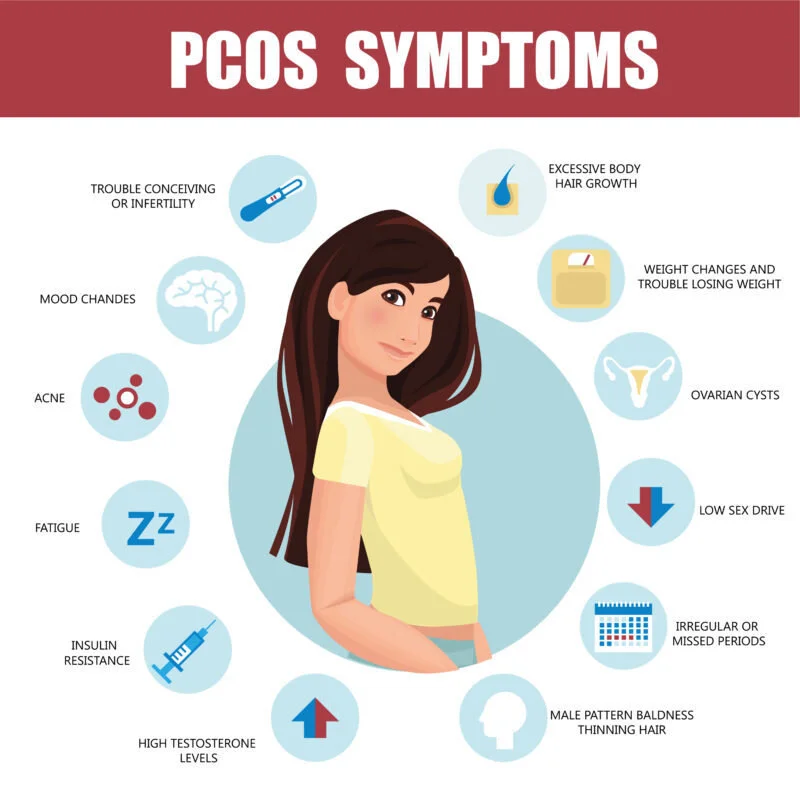
Polycystic Ovary Syndrome (PCOS) is a common hormonal condition that affects women of reproductive age. Symptoms such as irregular periods, weight gain, acne, excess hair growth, mood changes, and fertility challenges can significantly impact quality of life. While medical treatment focuses on symptom control, yoga offers a natural and holistic way to support PCOS management by addressing stress, hormonal imbalance, and metabolic health together.
Yoga works on both the body and mind, making it especially beneficial for hormonal disorders.
How Yoga Helps in PCOS Management
Stress plays a major role in worsening PCOS symptoms by increasing cortisol levels, which interfere with insulin and reproductive hormones. Yoga activates the parasympathetic nervous system, helping the body relax and restore balance.
Regular yoga practice helps:
- Reduce stress and anxiety
- Improve insulin sensitivity
- Support healthy ovulation and menstrual regularity
- Enhance metabolism and weight management
- Improve emotional well-being
Best Yoga Poses for PCOS & Hormonal Balance
Certain yoga poses are particularly effective in stimulating the endocrine system and improving blood flow to the pelvic organs.
1. Baddha Konasana (Bound Angle Pose):
Improves circulation to the ovaries and uterus and supports reproductive health.
2. Bhujangasana (Cobra Pose):
Stimulates abdominal organs, improves digestion, and helps balance hormones.
3. Setu Bandhasana (Bridge Pose):
Supports thyroid function and improves pelvic circulation.
4. Supta Baddha Konasana (Reclining Bound Angle Pose):
Deeply relaxing pose that calms the nervous system and reduces stress-related hormonal imbalance.
These poses should be practiced gently and consistently for best results.
Importance of Pranayama for Hormonal Health
Breathing techniques (Pranayama) are a powerful tool in yoga for PCOS. Controlled breathing helps regulate the nervous system and reduce cortisol levels.
Effective practices include:
- Nadi Shodhana (alternate nostril breathing)
- Bhramari (humming bee breath)
- Deep abdominal breathing
Pranayama enhances oxygen flow, improves mental clarity, and supports hormonal harmony.
Yoga, Weight Management, and Insulin Resistance
Many women with PCOS struggle with weight gain and insulin resistance. Yoga improves metabolism by reducing stress hormones and encouraging mindful movement.
While yoga may not burn calories like intense workouts, it helps regulate appetite, reduce emotional eating, and improve body awareness—key factors in sustainable weight management.
Emotional Well-Being and PCOS
PCOS often affects emotional health, leading to anxiety, low self-esteem, and mood swings. Yoga encourages mindfulness and self-acceptance, helping women develop a healthier relationship with their bodies.
Regular practice improves sleep quality and emotional resilience, both essential for hormonal balance.
Creating a Consistent Yoga Routine
Consistency is more important than intensity. Practicing yoga for 20–30 minutes daily can bring noticeable improvements in hormonal health.
Tips for building a routine:
- Practice at the same time each day
- Combine poses, breathing, and relaxation
- Avoid overexertion during menstruation
- Listen to your body and progress gradually
Ayurvedic Perspective on Yoga and Hormonal Balance
Ayurveda views PCOS as an imbalance of Kapha and Vata doshas, often influenced by stress and lifestyle habits. Yoga complements Ayurvedic treatment by calming the mind, improving digestion, and supporting reproductive health.
Together, yoga and Ayurveda offer a holistic and sustainable approach to PCOS management.
Final Thoughts
Yoga for PCOS and hormonal balance is a gentle yet powerful practice that supports both physical and emotional well-being. By reducing stress, improving metabolism, and restoring hormonal harmony, yoga empowers women to manage PCOS naturally.
With patience, consistency, and mindful practice, yoga can become a valuable part of long-term PCOS care and overall health.Summary:
Yoga is a natural and effective way to manage PCOS and support hormonal balance. By reducing stress, improving insulin sensitivity, enhancing pelvic circulation, and calming the nervous system, regular yoga practice helps regulate menstrual cycles, manage weight, and improve emotional well-being. Consistent, gentle yoga combined with breathing exercises promotes long-term hormonal health and overall balance.
#jeevalaya #nakshatras #jeevalaya bangalore #jeevalaya retreat centre #jeevalaya whitefield #mental wellness #property healing #Ayurveda #Counseling #Medical astrology
External link – https://en.wikipedia.org/wiki/Ayurveda
Internal link – https://jeevalaya.co.in/ayurvedic-self-care-rituals-for-mental-well-being/